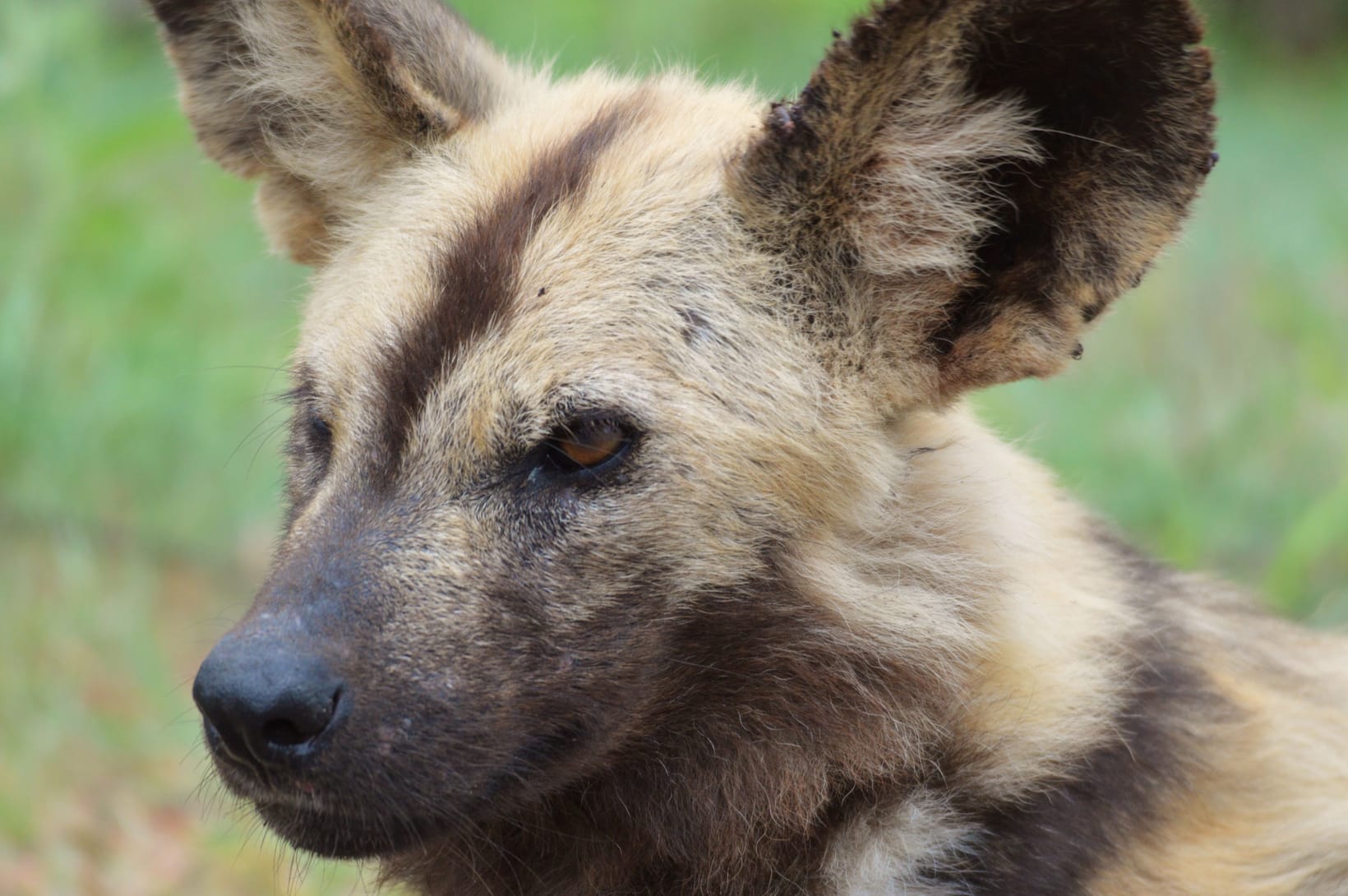
Ounce for ounce, the African wild dog is arguably Africa’s most effective hunter — far more successful than the lion, leopard, or cheetah — and yet it’s one of the continent’s rarest and most endangered predators. In Uganda it vanished entirely for decades, which makes its recent return to Kidepo Valley a genuinely exciting story.
Here are the facts behind the African wild dog: its extraordinary hunting success, its pack life, and its remarkable comeback in Uganda.
African Wild Dog Facts at a Glance
- Also called the “painted wolf”— for its blotched, multicoloured coat
- Extraordinary hunting success rate— up to around 80%, far higher than lions or leopards
- Highly social: lives in tight packs of roughly 5–20 individuals
- Africa’s second most endangered carnivore, after the Ethiopian wolf
- Went extinct in Uganda by the early 1980s — and has recently begun returning to Kidepo Valley
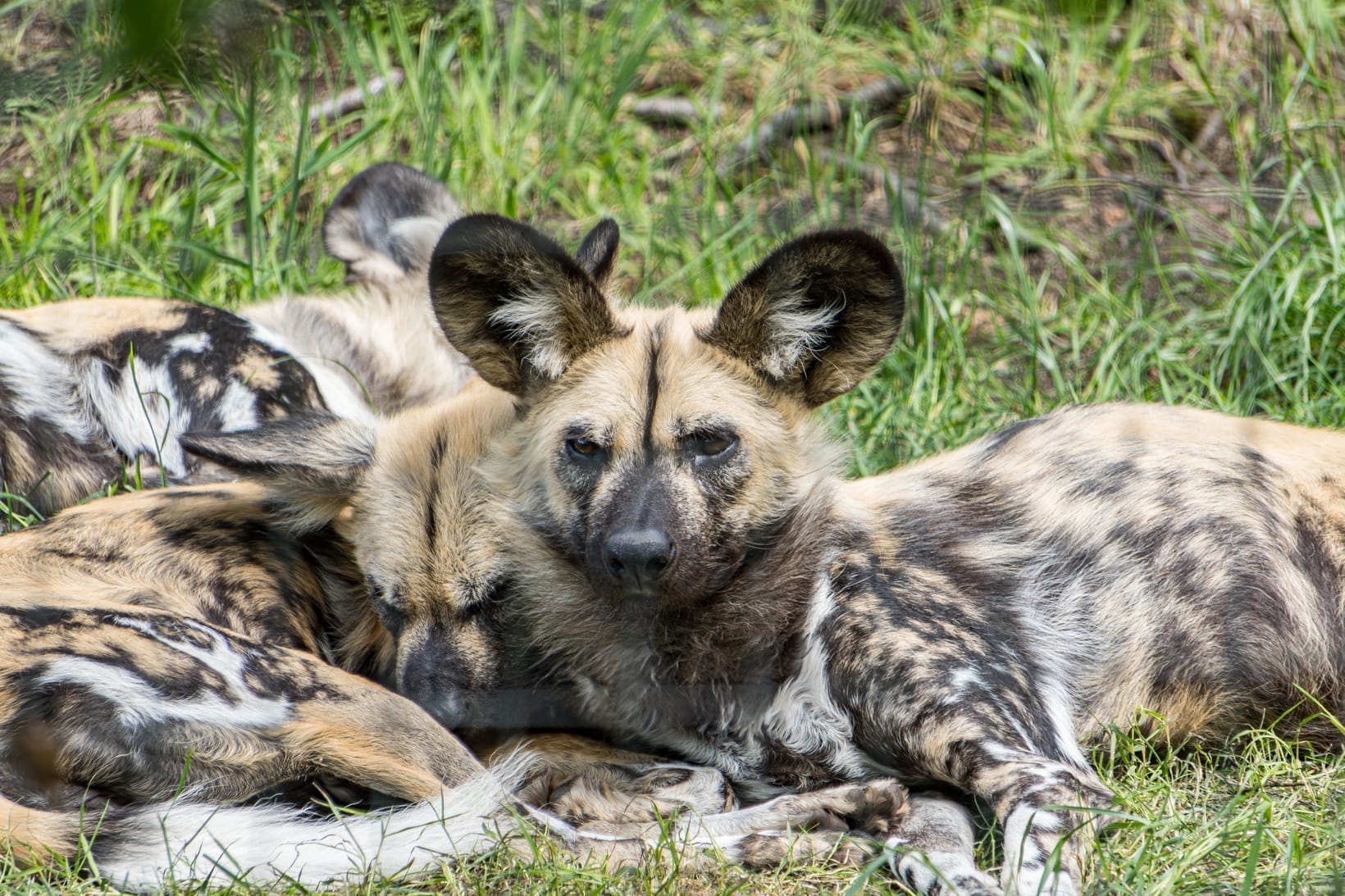 Wild dogs live in tight packs and hunt cooperatively
The Most Efficient Hunter in Africa
Pound for pound, no African predator hunts more effectively than the wild dog. Where lions succeed in roughly 30% of hunts, leopards around 38%, and cheetahs about 58%, wild dogs land a kill in up to 80% of attempts— an extraordinary figure achieved through pure teamwork. Packs run prey down over long distances at speeds approaching 60 km/h, communicating constantly and taking turns leading the chase, wearing down animals that would easily outrun a solitary predator.
A Painted, Social Predator
The wild dog’s nickname, “painted wolf,” comes from its irregular coat of black, brown, yellow, and white patches — no two individuals are marked exactly alike. Packs of roughly 5 to 20 dogs are highly cooperative: they share food, help raise pups communally, and care for sick or injured pack members, a level of social cohesion unusual even among Africa’s pack-living predators.
Africa’s Second Most Endangered Carnivore
African wild dog numbers have collapsed dramatically — from an estimated 500,000 across the continent a century ago to fewer than 6,500 today, confined to a fraction of their former range. Habitat loss, conflict with livestock farmers, disease caught from domestic dogs, and their need for enormous home ranges have all driven the decline, making them Africa’s second most endangered carnivore after the Ethiopian wolf.
The Comeback in Kidepo Valley
African wild dogs were considered extinct in Uganda by the early 1980s. In recent years, however, small numbers have begun returning to the remote Kidepo Valley — a genuinely thrilling development for a country that had written the species off. Sightings are still rare and never guaranteed, but visitors now specifically ask their guides about wild dogs alongside Kidepo’s cheetah and lion. [VERIFY / KEEP CURRENT: wild dog sightings in Kidepo are recent and uncommon — worth checking with current park rangers on the latest status before promising anything to clients.]
African Wild Dog FAQ
Why is the wild dog called a “painted wolf”? For its irregular, multicoloured coat — no two individuals are patterned alike.
Are wild dogs better hunters than lions? By success rate, yes — up to around 80% compared to a lion’s roughly 30%, thanks to highly coordinated pack hunting.
Can you see wild dogs in Uganda? They’re extremely rare, having recently begun returning to Kidepo Valley after being considered extinct in the country for decades.
Why are wild dogs endangered? Habitat loss, conflict with livestock farmers, disease from domestic dogs, and their need for very large home ranges.
Look for Them in Kidepo
A wild dog sighting is one of the rarest, most exciting things a Uganda safari can offer. Tell us if it’s on your wish list and we’ll build it into a Kidepo Valley wilderness safari.