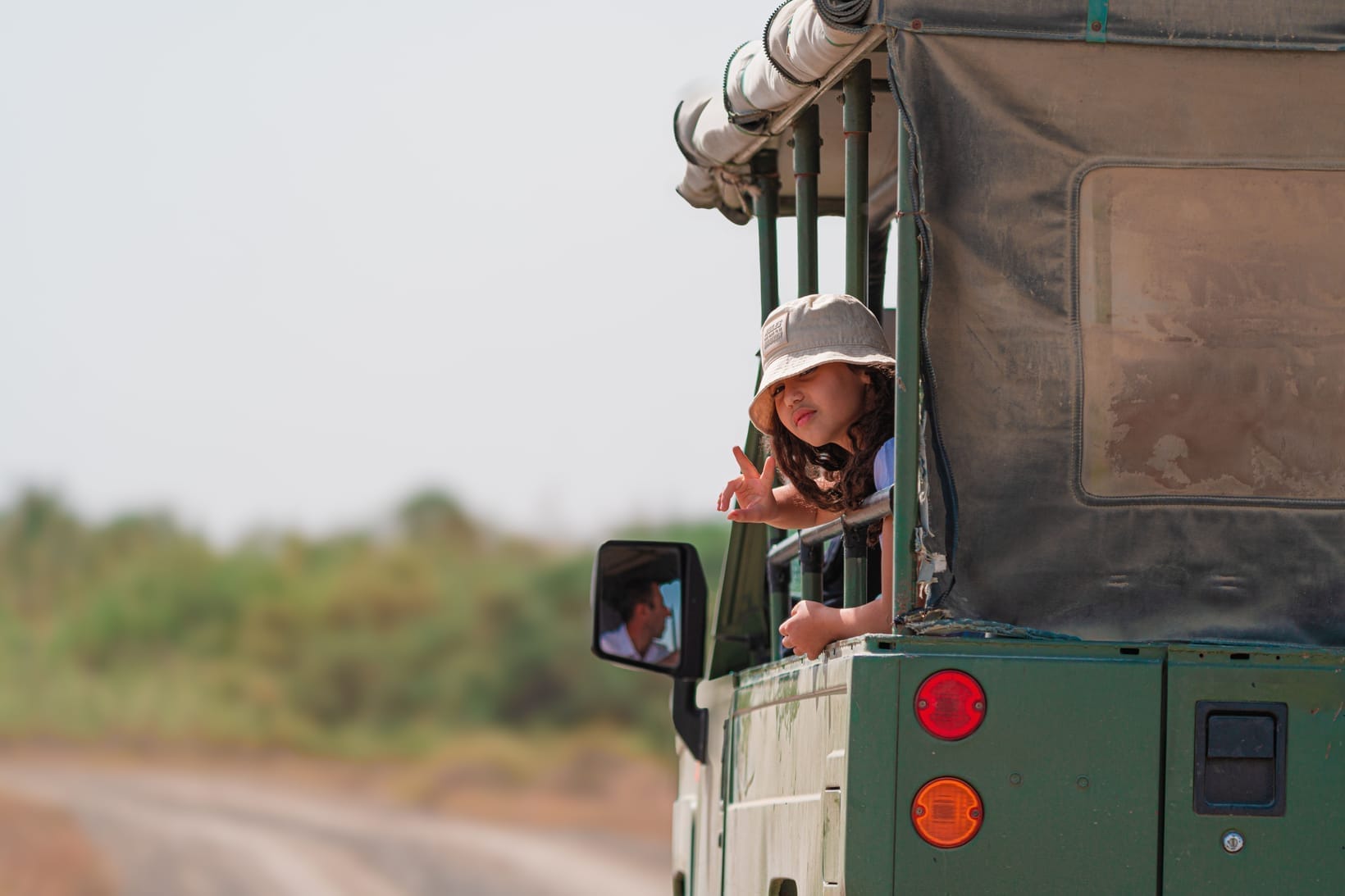
A safari is one of the great family travel experiences — and Uganda, with its mix of wildlife, primates, and genuinely warm hospitality, works well for the right age group with the right planning. It’s not a trip to wing without preparation, but done well, it’s the kind of holiday children remember for the rest of their lives.
Here’s a practical guide to planning a family safari to Uganda: age limits by activity, health preparation, and how to build an itinerary that works for kids.
What Age Is Right for a Uganda Safari?
Children roughly 6 to 14 tend to get the most out of a family safari — old enough to sit through game drives and absorb the experience, young enough to still find every animal thrilling. That said, activity-specific age limits shape what’s actually possible at different ages:
- Gorilla trekking: minimum age 15, strictly enforced — see what happens on a gorilla trek
- Chimpanzee tracking: generally possible from around age 12, depending on the park
- Rhino tracking at Ziwa: generally welcoming to children above around age 6
- Game drives and boat safaris: suitable for most ages, with no formal minimum
[VERIFY / KEEP CURRENT: exact minimum ages for chimp tracking and rhino tracking vary somewhat by operator/park policy — confirm current rules for your specific dates.]
Image: A family on a game drive, kids looking through binoculars from a safari vehicleHealth Preparation for Families
Uganda requires a yellow fever vaccination certificate for entry, applying to every family member including children, and the country is a malaria risk area, so this needs proper planning well in advance. We’d strongly encourage every family to consult a travel clinic or paediatrician 4–6 weeks before departure to discuss age-appropriate malaria prevention and confirm routine vaccinations are up to date — this is genuinely medical advice best given by a professional who knows your children’s specific health history, not something to take from a blog post.
Building a Kid-Friendly Itinerary
A few adjustments make a big difference for family trips:
- Slower pace, fewer long drives— build in rest days and shorter transfers where possible
- Family-friendly lodges with pools, gardens, and space to run around between activities
- A mix of activity types— game drives, boat safaris, and gentler walks keep energy and interest up better than back-to-back long treks
- Lake Mburo is a particularly good family stop, with safe walking and horseback activities among the wildlife
Practical Safety With Kids on Safari
Uganda is generally considered a safe, welcoming destination for families, but ordinary safari discipline matters more with children: teach them never to approach wildlife, to stay close to guides during walking activities, and to remain seated and calm during game drives. Comprehensive travel insurance covering medical evacuation is essential for every family member.
Family Safari FAQ
What’s the best age for a Uganda safari with kids? Roughly 6 to 14 gets the most from the experience, though activity limits (like gorilla trekking’s 15+ rule) shape what’s possible at younger ages.
Can young children go gorilla trekking? No — the minimum age is 15, strictly enforced across Uganda, Rwanda, and DR Congo.
Is Uganda safe for children health-wise? With proper preparation — travel clinic consultation, yellow fever vaccination, and appropriate malaria prevention — it's considered manageable, but always confirm specifics with a medical professional.
What activities work well for younger kids? Game drives, boat safaris, and Lake Mburo’s walking and horseback activities are all good options below the gorilla trekking age limit.
Plan a Trip the Whole Family Will Remember
Tell us the ages of your children and we’ll build a pace, itinerary, and mix of activities that works for the whole family, into a tailor-made Uganda safari.