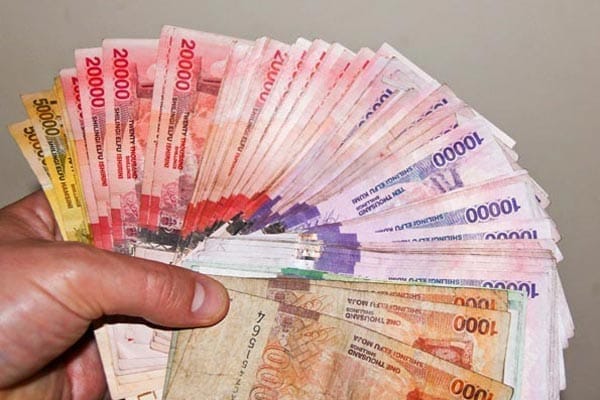
Money questions are some of the most common we get from first-time Uganda travellers — what currency to bring, whether US dollars work, and how much to tip. None of it is complicated, but a little preparation avoids awkward moments at the border or on the trail.
Here’s a practical guide to money in Uganda: the currency, how to handle cash, and a clear tipping guide for your safari.
Uganda’s Currency
Uganda’s currency is the Ugandan Shilling (UGX). Exchange rates fluctuate with global markets, so treat any specific figure as a rough guide rather than fixed — check a current converter close to your travel dates. [VERIFY / KEEP CURRENT: exchange rates move regularly — don’t print a specific rate in client-facing material without checking it first.]
Image: Ugandan shilling notes and US dollars laid out together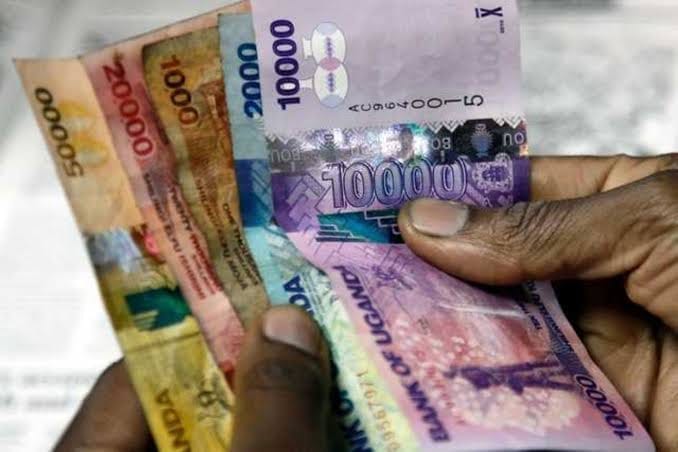 Uganda runs largely on cash outside the cities
Bringing US Dollars
US dollars are widely accepted and useful throughout Uganda, especially for tips, permits, and larger purchases — but there’s an important catch: banks, forex bureaus, and most businesses will only accept bills printed in 2013 or later, and they must be clean, crisp, and completely free of marks, tears, or folds. Older or damaged notes are routinely rejected due to counterfeit concerns, so check every bill before you travel.
Cash, Cards & ATMs
Uganda is largely a cash-based society, particularly outside major towns and especially for tips. ATMs are available in Kampala, Entebbe, and larger towns, but are unreliable or absent in remote park areas — withdraw what you need before heading upcountry. Credit cards are accepted at many lodges and larger hotels but shouldn’t be relied on as your only payment method once outside the main cities.
Uganda Safari Tipping Guide
Tipping is customary and genuinely appreciated on a Uganda safari. Rough, commonly used guidelines:
- Driver-guide: around USD $10–$20 per person, per day
- Gorilla/chimp trekking porters: around USD $5–$10 per porter
- Trekking rangers/trackers: a smaller tip, often pooled among the group
- Lodge staff: many lodges keep a shared staff tip box — ask at check-out if unsure
US dollars are fine for larger tips like your driver-guide, but smaller local denominations (Ugandan Shillings) are often preferred for porters and casual tips, since exchanging small amounts of foreign currency can be inconvenient for local staff. Carrying a mix of both, in small denominations, is the most practical approach. [VERIFY / KEEP CURRENT: tipping norms and amounts drift over time — worth a periodic sense-check against current guide feedback.]
Practical Money Tips
- Bring a mix of small-denomination US dollars ($1, $5, $10, $20) for tips and incidentals
- Exchange some cash into Ugandan Shillings for markets and small purchases
- Withdraw cash in Kampala or Entebbe before heading to remote parks
- Keep a stash of tip money separate and easily accessible
Money in Uganda FAQ
Can I use US dollars in Uganda? Yes, widely — but only notes from 2013 or later, in clean, undamaged condition.
Should I tip in dollars or shillings? Larger tips (driver-guides) work well in dollars; smaller tips (porters, casual staff) are often easier for recipients in local shillings.
Are ATMs available in the parks? No — withdraw what you need in Kampala or Entebbe before travelling upcountry.
How much should I budget for tips? As a rough guide, $10–$20 per day for your driver-guide, plus smaller amounts for porters and trekking staff.
How much do you tip on a gorilla trek? Budget for three separate tips on trek day: around $5–$10 for your porter, a smaller amount for the rangers and trackers, usually pooled and given to the lead ranger at the end, and your normal daily tip for the driver-guide who is waiting at the trailhead. Nothing is compulsory and none of it is built into the permit. Carry small denominations — there is no way to change money at a trailhead.
Travel Prepared
A little cash preparation goes a long way toward a smooth trip. For the rest of your planning, see our guide to planning a trip to Uganda, or get in touch with any questions before you travel.