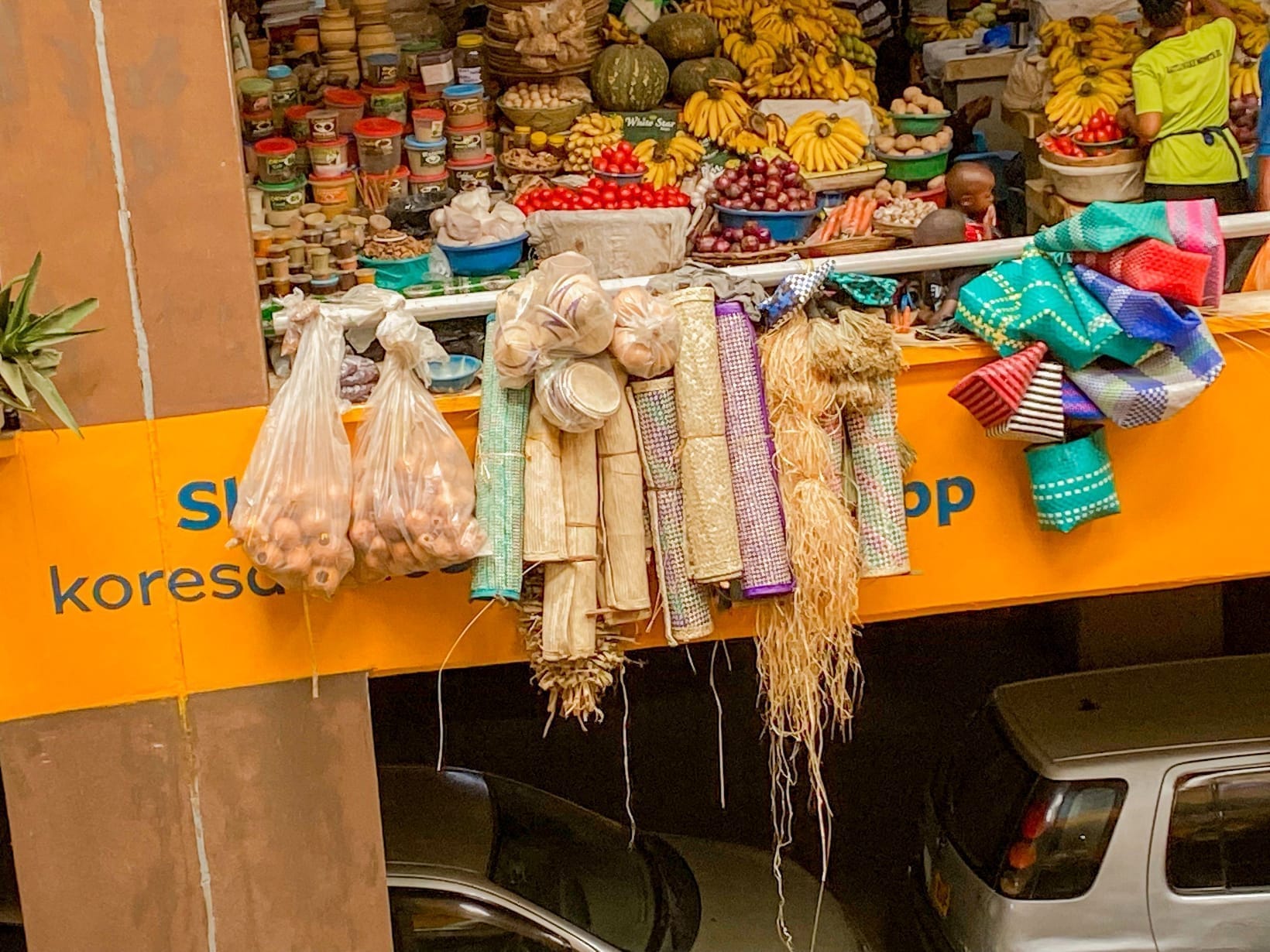
Uganda is famous for its gorillas, its chimpanzees, and its birds — but the country’s people are every bit as remarkable as its wildlife. Packed into a country roughly the size of the United Kingdom are more than 56 distinct tribes, speaking dozens of languages and holding onto kingdoms, cattle cultures, and forest traditions that stretch back centuries.
This is a respectful traveller’s introduction to a few of those peoples — who they are, where they live, and how you can meet them thoughtfully on a safari. It’s an overview, not the last word: every one of these communities is far richer than a few paragraphs can capture.
A Nation of Many Peoples
Uganda’s tribes are usually grouped into broad language families — Bantu speakers across the centre and south, and Nilotic and other groups across the north and east. That diversity is a source of enormous pride and, historically, of tension too; modern Uganda works hard to hold its many identities together. For a visitor, it means that driving from one region to the next can feel like moving between worlds — different languages, foods, dress, music, and ways of life.
Image: Cultural performance or community portrait (choose a dignified, consent-based image)The Baganda
The Baganda are Uganda’s largest single ethnic group, centred on the south and the region around Kampala and Lake Victoria. They give the country its name — “Uganda” comes from “Buganda,” their kingdom — and their monarchy, the Kabaka’s, remains a powerful cultural institution today. Around Kampala you can visit sites central to Baganda heritage, including the Kasubi Tombs, a UNESCO World Heritage Site and the burial ground of the kings.
The Banyankole & the Bahima
In the rolling grasslands of the south-west live the Banyankole, long associated with the majestic Ankole cattle and their enormous, curved horns. Among them, the Bahima are traditionally cattle-keepers whose entire way of life — diet, wealth, songs, and social standing — has revolved around their herds. It’s a pastoral culture you can glimpse first-hand on a village walk near Lake Mburo, where cattle and wildlife share the same landscape.
The Batwa
The Batwa are among the oldest inhabitants of the region — forest-dwelling hunter-gatherers who lived for millennia within the ancient rainforests of the south-west, including Bwindi and Mgahinga. Their story is also one of profound loss, and it deserves to be told honestly.
In 1991, when Bwindi and Mgahinga were gazetted as national parks to protect the mountain gorillas, the Batwa were evicted from their ancestral forests — around 4,000 people from Bwindi alone — largely without compensation or land to resettle on. Cut off from the forest that had defined their identity and livelihood, many Batwa communities have faced deep poverty and marginalisation in the decades since. It’s an uncomfortable truth that sits directly alongside one of conservation’s great success stories.
A Batwa cultural visit, done well, isn’t a novelty — it’s a chance to hear that history from the people who lived it, and to put tourism money directly into their hands.
Today, community-run Batwa experiences around Bwindi let visitors learn about traditional forest life — hunting techniques, medicinal plants, fire-making, song, and dance — on the community’s own terms. We touch on this alongside the trek itself in our gorilla trekking tips.
The Karamojong
In Uganda’s rugged north-east — the semi-arid region of Karamoja, near Kidepo Valley — live the Karamojong, a proud pastoralist people whose lives revolve around cattle in a way often compared to the Maasai of Kenya and Tanzania. Their manyattas (homesteads), beadwork, and traditions have remained strong in one of Uganda’s most remote corners. A visit to a Karamojong community can be arranged alongside a safari to the wild, little-visited Kidepo Valley.
And Many More
These are only a handful. The Bakiga of the terraced south-western hills, the Acholi and Langi of the north, the Basoga near Jinja, the Bagisu on the slopes of Mount Elgon with their famous imbalu circumcision ceremonies, and dozens of others each add their own languages, foods, and traditions to the national mix.
Meeting Communities Respectfully
Cultural tourism can be wonderful or it can be exploitative — the difference is in how it’s done. A few principles we hold to:
- Choose community-led experiences where the money genuinely reaches local people
- Always ask before photographing anyone, and respect a “no”
- Come to learn, not to gawk— approach a visit as you would being welcomed into someone’s home
- Buy directly— crafts and performances put income straight into the community
Where to Experience Uganda’s Cultures
Culture isn’t a separate add-on in Uganda — it’s woven through the landscapes you travel for. A Kidepo Valley wilderness safari can include time with the Karamojong; a Lake Mburo safari offers a Bahima village walk; and a Batwa visit pairs naturally with a Bwindi gorilla trek. Tell us which cultures interest you and we’ll weave them in thoughtfully.
Uganda Cultures FAQ
How many tribes are there in Uganda? More than 56 recognised tribes, speaking dozens of languages across several broad language families.
Who are the Batwa? Indigenous forest hunter-gatherers of south-western Uganda, evicted from Bwindi and Mgahinga in 1991 when those parks were created; today they share their culture through community-run experiences.
Can I visit a traditional community on safari? Yes — Batwa, Karamojong, Bahima, and other community experiences can be added to many itineraries, ideally through community-led operators.
Is it respectful to visit? It can be, when done through community-led programmes, with consent for photos and money reaching local people directly.
Travel Deeper
Uganda’s wildlife may draw you in, but its people are what many travellers remember most. If you’d like your safari to include genuine, respectful cultural encounters, tell us what interests you and our planners will build them in — from a remote Kidepo journey to a gorilla trek paired with a Batwa visit.