The ancient Greek geographer Ptolemy described a snow-capped range deep in Africa as the source of the Nile, calling it the “Mountains of the Moon.” For centuries it was considered legend — until explorers confirmed the Rwenzori range really does exist, straddling the Uganda–DR Congo border, glaciated and permanently snow-capped almost on the equator. It’s one of Africa’s great, underrated trekking destinations.
Here’s a guide to the Rwenzori Mountains: what makes them unique, what trekking here involves, and how they compare to Kilimanjaro.
The Rwenzori at a Glance
The Rwenzori are the highest non-volcanic mountains in the world, a jagged, glaciated range on the Uganda–DR Congo border. Their highest point, Margherita Peak on Mount Stanley, reaches 5,109 metres — the third-highest point in Africa, after Kilimanjaro and Mount Kenya. Unlike those two volcanic giants, the Rwenzori were pushed up by tectonic faulting, giving them a much more rugged, technical character.
Image: Glaciated, mist-wrapped peaks of the Rwenzori range, the Mountains of the MoonThe Mountains of the Moon
The nickname comes from the ancient geographer Ptolemy, who described snow-capped mountains near the equator as the Nile’s source based on traders’ accounts — a claim that sounded like myth until the range was confirmed in the 19th century. The permanent glaciers that earned the name are retreating fast with climate change, having shrunk by more than half since the early 1900s, so travellers hoping to see them are seeing a landscape that’s genuinely disappearing.
What Makes Rwenzori Trekking Different
Unlike the long, gradual walk-up of Kilimanjaro, a Rwenzori trek is a proper mountaineering challenge — boggy valley floors, dramatic vegetation zones (bizarre giant lobelias and groundsel among them), scrambling, via ferrata sections, and glacier travel near the summit. The full trek to Margherita Peak typically takes around seven to eight days, and reaching the true summit requires basic mountaineering skills and gear (crampons and an ice axe), not just fitness.
Shorter treks are also available for those who want the experience without the full summit push — multi-day routes into the foothills and lower ridgelines that still deliver dramatic scenery, waterfalls, and a genuine sense of wilderness, without the technical glacier travel.
Wildlife & Scenery
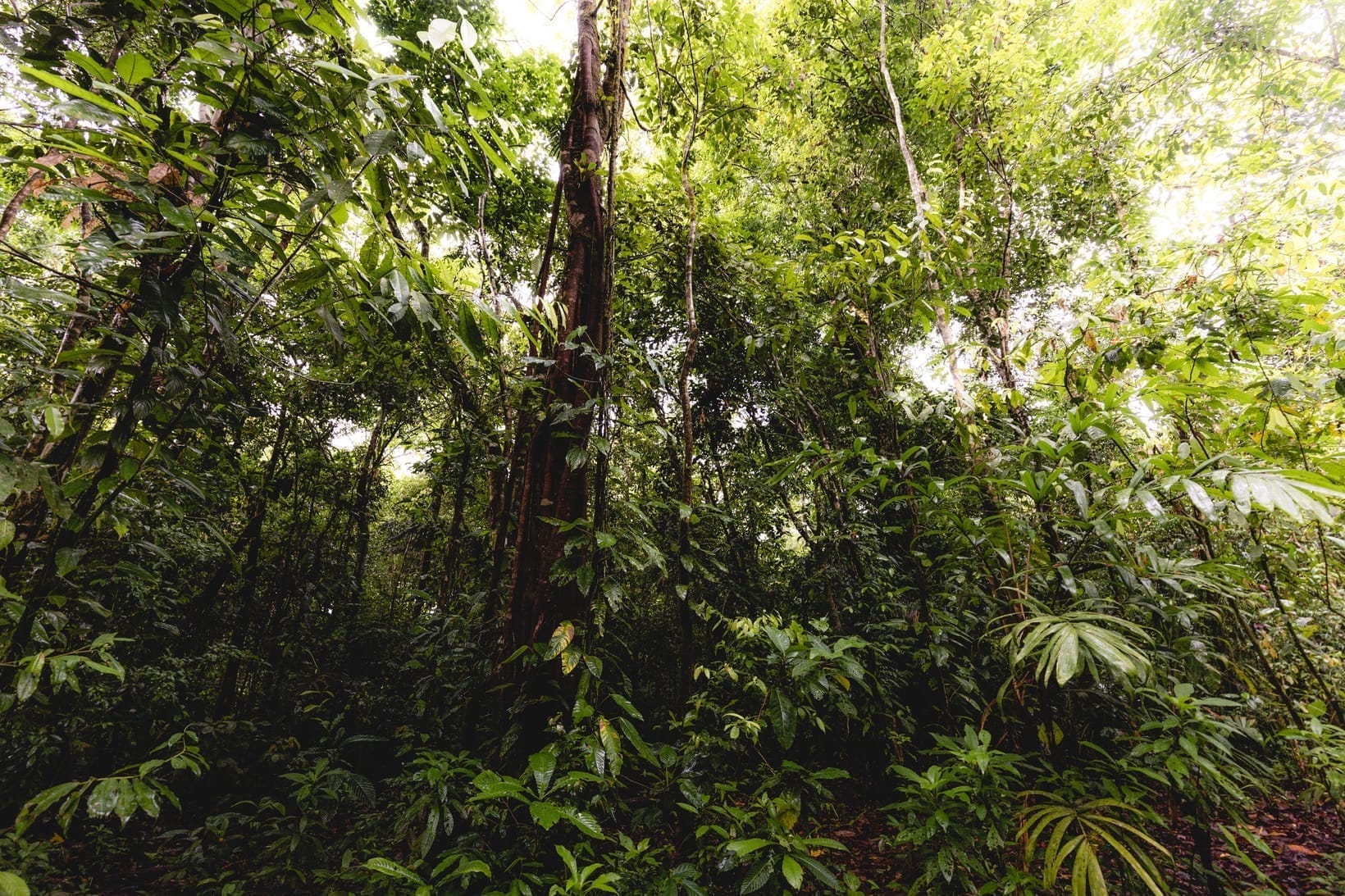
Below the glaciers, the Rwenzori descend through montane forest, bamboo, and Afro-alpine moorland — among the most biodiverse vegetation zones in Africa, and home to forest elephants, chimpanzees, and striking birdlife, including several species found nowhere else. The park is also a UNESCO World Heritage Site for exactly this ecological richness.
Rwenzori vs Kilimanjaro
Where Kilimanjaro is a long, steady walk that rewards persistence more than technical skill, the Rwenzori are wetter, wilder, and considerably more technical — a serious trekking or mountaineering trip rather than a long hike. For travellers who’ve done Kilimanjaro and want something rawer and far less crowded, Rwenzori is the natural next challenge. For routes, seasons, kit and the technical summit day, see our Rwenzori climbing guide.
Best Time to Trek the Rwenzori
The driest, most reliable trekking windows are roughly December to February and June to August. The range is genuinely wet even in the dry season, so proper rain gear is essential whenever you go.
Rwenzori Mountains FAQ
How hard is trekking the Rwenzori? Considerably more technical than Kilimanjaro — the full summit trek involves glacier travel and requires basic mountaineering skills.
How long does the trek take? Around seven to eight days for the full trek to Margherita Peak; shorter multi-day routes are available for non-summit trekking.
Do the Rwenzori really have glaciers? Yes, though they are shrinking rapidly with climate change — less than half their size a century ago.
Is Rwenzori better than Kilimanjaro? Not better or worse — different: wilder, wetter, more technical, and far less crowded.
Take On the Mountains of the Moon
For trekkers who want Africa’s wilder high-altitude challenge, the Rwenzori deliver in a way few other mountains can. We can build a Rwenzori trek into a gorilla & Rwenzori Mountains expedition — tell us your fitness level and how many days you have.