Short answerUgandan food is built on starch and slow-cooked sauce. The staple is matoke — steamed green banana — usually eaten with groundnut, bean or meat sauce. The dish to seek out is luwombo, steamed in banana leaf. The street food everyone remembers is the rolex: an omelette rolled in a chapati.
Between game drives and gorilla treks, food is one of the easiest, most enjoyable ways to connect with Uganda — hearty, comforting, and full of flavours you won’t find anywhere else. Here’s what to look for on the menu, from the everyday staple to the street food you’ll wish you could bring home.
Matoke: The National Staple
If Uganda has one defining dish, it’s matoke — green cooking bananas peeled, steamed, and mashed into a soft, savoury paste, traditionally wrapped and cooked in banana leaves. It’s the everyday base of countless meals, usually served alongside groundnut sauce, beef stew, or beans, and it’s worth trying at least once on any Uganda trip — simple, filling, and genuinely central to daily life here.
Image: A plate of matoke with groundnut sauce, wrapped in banana leafLuwombo: The Royal Dish
For something more special, seek out luwombo— a rich stew of meat, chicken, or mushrooms, slow-cooked inside a sealed banana-leaf parcel, which keeps the dish tender and infuses it with a subtle, earthy flavour. Believed to have originated in the royal kitchens of the Buganda kingdom, luwombo remains a dish reserved for weddings, celebrations, and special occasions — a proper treat if you find it on a menu.
Rolex: Uganda’s Favourite Street Food
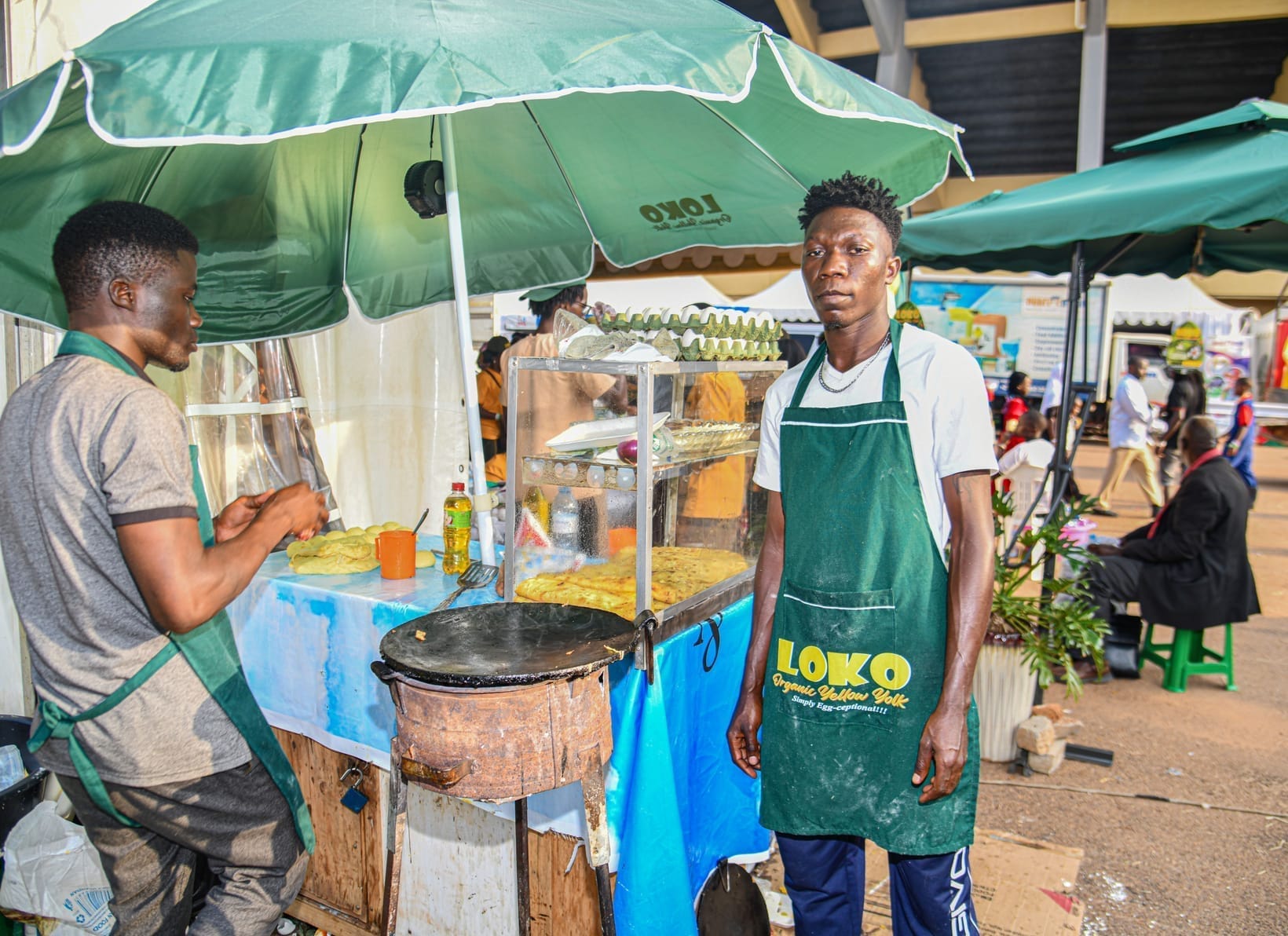
No food guide to Uganda is complete without the rolex — not a watch, but a rolled chapati stuffed with fried eggs, tomato, onion, and cabbage, cooked fresh at street stalls across the country. The name comes simply from “rolled eggs.” It’s cheap, filling, and endlessly satisfying — and watching one being made on a sizzling griddle is half the fun. Kampala’s streets, in particular, are the best place to try one; see our Kampala city guide.
Posho and Everyday Staples
Alongside matoke, posho (a stiff, filling maize porridge, similar to ugali elsewhere in East Africa) is a daily staple across the country, usually paired with a sauce or stew. Rice, sweet potatoes, and cassava round out the everyday carbohydrate lineup, and groundnut sauce— a rich, creamy peanut-based sauce — is a beloved accompaniment to almost any of them.
Fresh Fish and Grilled Meat
Given Uganda’s lakes and the Nile running through it, fresh tilapia is widely available and particularly good around Jinja and Lake Victoria (see our Jinja guide). Grilled meat — goat, chicken, and beef — is also a staple at roadside stalls and local restaurants, often served with a simple side of chapati or plantain.
Every Dish, in One Table
| Dish | What it is | Worth ordering? |
|---|---|---|
| Matoke | Steamed green banana, mashed | The national staple — you will eat it |
| Luwombo | Meat or groundnut stew steamed in banana leaf | Yes — the dish to seek out |
| Rolex | Omelette rolled in a chapati | Yes, from a busy street stall |
| Posho | Stiff maize meal | Everyday filler rather than a highlight |
| Groundnut sauce (binyebwa) | Rich peanut sauce | Excellent, and usually vegetarian |
| Katogo | Banana cooked with beans, offal or meat | The classic Ugandan breakfast |
| Nile perch / tilapia | Grilled or fried lake fish | Yes, especially near the lakes |
| Muchomo | Grilled meat skewers | Roadside staple |
| Chapati | Flatbread | Everywhere, and good |
| Malewa | Bamboo shoots, an eastern speciality | If you are near Mount Elgon |
Eating Well on Safari
Most lodges serve a blend of international and local dishes, so you’ll always have familiar options — but asking for matoke, luwombo, or a proper Ugandan breakfast is a great way to eat more locally during your trip, and most kitchens are happy to oblige.
Practical Notes
- Vegetarians are well served. Groundnut, bean and vegetable sauces are standard.
- Tell your operator about dietary needs early. Lodges in remote parks cook to a plan and cannot improvise at short notice.
- Drink bottled or filtered water — see planning a trip to Uganda.
- Street food is generally fine from a busy stall cooking to order in front of you.
- Carry small notes. Roadside food is cash — see money and tipping in Uganda.
- Try the coffee at source. Uganda is a major producer and most of it is exported — see Sipi Falls, where the farm tours are run by the growers.
Ugandan Food FAQ
What is Uganda’s national dish? Matoke — steamed, mashed green bananas — is the closest thing to a national staple, eaten daily across the country.
What is a rolex? Uganda’s favourite street food — a chapati rolled around fried eggs and vegetables, named for “rolled eggs.”
Is Ugandan food spicy? Generally mild and comforting rather than spicy, built around starchy staples, stews, and sauces.
Where can I try luwombo? Look for it at cultural restaurants or ask your lodge in advance — it’s a special dish, not always on a standard menu.
Taste Your Way Through Uganda
Food is one of the simplest, most rewarding ways to experience Uganda beyond the parks. Tell us if you’d like a culinary or market experience built into your Uganda safari.
Sources
- Uganda Tourism Board — Ugandan cuisine and food cultureAccessed 29 Jul 2026