Uganda is a republic with a president — and, remarkably, also a country of living kings. Several traditional kingdoms, some older than European contact with the region, still exist today as cultural institutions, complete with palaces, coronations, and monarchs recognised by millions. Understanding them adds real depth to a Uganda trip.
Here’s an introduction to Uganda’s kingdoms: their history, their unusual constitutional status, and where to encounter them today.
Kingdoms Before Uganda Was a Country
Long before colonial borders created modern Uganda, the region was a patchwork of independent kingdoms and chiefdoms. The most historically dominant was Bunyoro-Kitara, which rose at the end of the 15th century and once held sway across much of the area that is now western and central Uganda. Over time it fractured and gave rise to several of the kingdoms still recognised today, most notably Buganda, Toro, and Busoga.
Image: Traditional royal drums and regalia representing Uganda's kingdomsAbolished, Then Restored
Uganda’s traditional kingdoms were officially abolished in 1967 by the post-independence government, which saw them as a threat to national unity. They remained abolished for over two decades before being restored in 1993 as cultural institutions under Uganda’s constitution. Crucially, the restored kingdoms are purely cultural and ceremonial — the 1995 Constitution explicitly bars them from political power or legislative authority, so today’s kings reign over heritage, tradition, and community life, not government.
Buganda: The Largest and Best Known
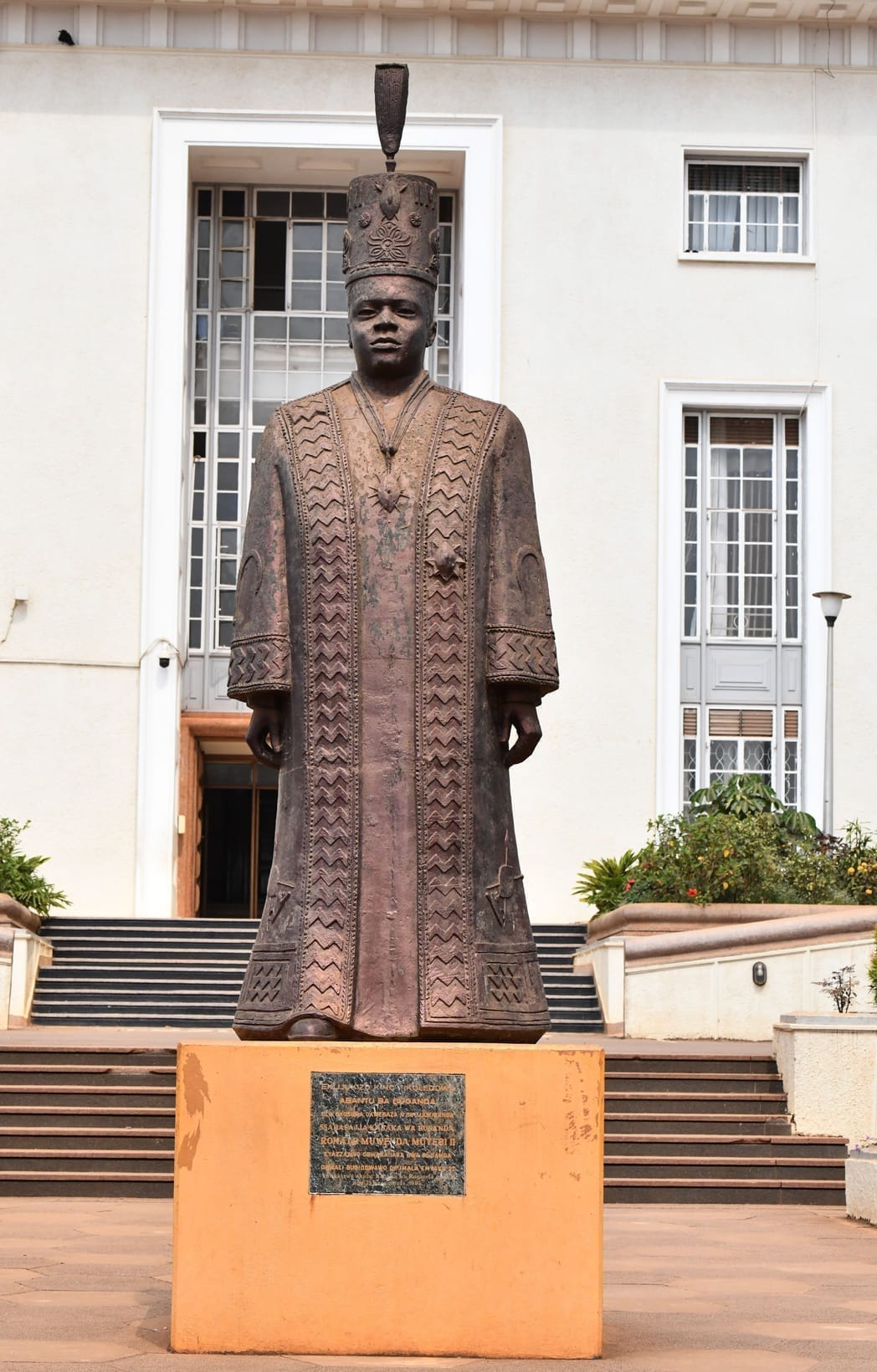
Uganda’s largest kingdom, Buganda, is centred on Kampala itself — the modern capital grew up within the kingdom’s historic territory, and Buganda culture remains the most visible in the city today (see our Kampala city guide). Its king, the Kabaka, currently Ronald Muwenda Mutebi II, has reigned since 1993, supported by a parliament called the Lukiiko and a prime minister known as the Katikkiro. The Kasubi Tombs, the burial ground of past Buganda kings, is a UNESCO World Heritage Site and one of Kampala’s most important cultural landmarks.
Bunyoro, Toro & Busoga
Three further kingdoms round out Uganda’s royal landscape:
- Bunyoro, in the west, traces its line directly to the old Bunyoro-Kitara empire
- Toro, near Fort Portal, whose current king became monarch at just three years old, making him briefly one of the youngest reigning monarchs anywhere in the world
- Busoga, east of Kampala near Jinja, whose leader (the Kyabazinga) is chosen by a council of hereditary chiefs rather than inheriting the title directly
Encountering the Kingdoms as a Traveller
The kingdoms remain very much alive in everyday culture — local languages, ceremonies, music, and identity are all still shaped by which kingdom a region historically belonged to (see our wider tribes and cultures of Uganda guide). Visiting the Kasubi Tombs or Buganda’s Kabaka’s Palace in Kampala is the easiest way to engage with this history directly on a trip.
Kingdoms of Uganda FAQ
Does Uganda still have kings? Yes — several traditional kingdoms were restored in 1993 as cultural institutions, with reigning monarchs today.
Do the kings have political power? No — Uganda’s constitution explicitly limits them to cultural and ceremonial roles, not government or legislative authority.
What is the largest kingdom? Buganda, centred on Kampala, is Uganda’s largest and most prominent traditional kingdom.
Why were the kingdoms abolished? The post-independence government abolished them in 1967, viewing them as a threat to national unity; they were restored in 1993.
Explore Uganda’s Royal Heritage
A visit to the Kasubi Tombs or a conversation with a local guide about their kingdom adds real depth to a Uganda trip. Tell us if you’d like cultural sites built into your Uganda itinerary.