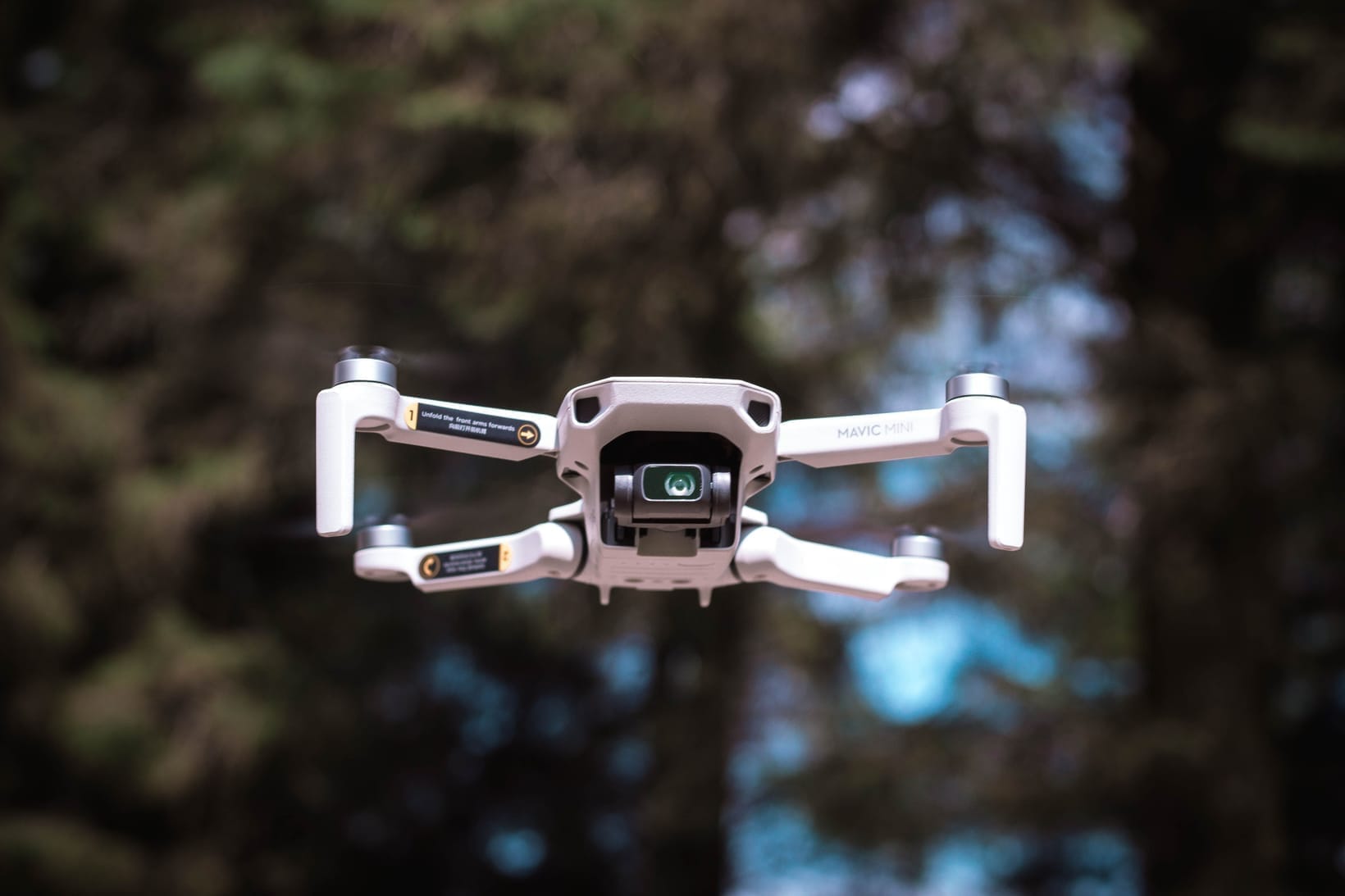
Short answerOrdinary holiday photography needs no permit. Commercial filming carries 40% of activity and entrance on top, and drone filming 50% of the activity — which means a drone is a permitted, pre-arranged activity, not something you bring and launch. Drones are not allowed on gorilla treks at all, and flash is prohibited.
This comes up constantly and is answered badly almost everywhere. The Uganda Wildlife Authority's tariff is actually quite clear about it.
Where the line between personal and commercial sits
If you are on holiday taking photographs and video with a camera or a phone, you need nothing beyond your ordinary activity fees. That is the overwhelming majority of visitors and there is no trap here.
Commercial filming is a different category with its own surcharge and a prior-booking requirement. If you are producing content for a client, a broadcaster or a commercial channel, that is what applies — and it is worth resolving in advance rather than being asked at a gate.
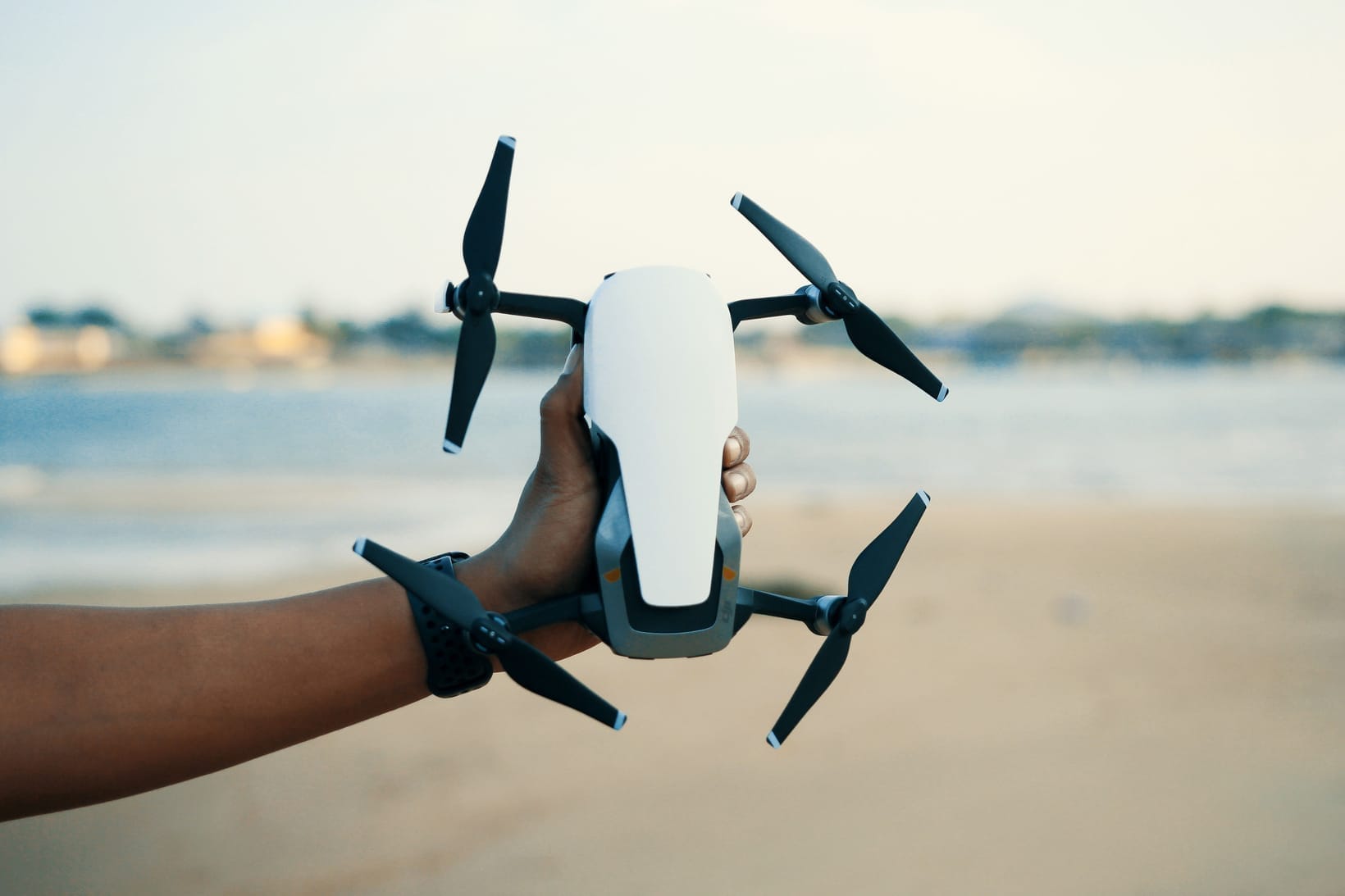 Drones need a permit in Uganda — arriving with one unregistered risks confiscation at the airport
What commercial filming costs
| Charge | |
|---|---|
| All commercial filming activities | 40% of activity and entrance |
| Filming with a drone | 50% of the activity |
Because it is a percentage rather than a flat fee, the cost scales with what you are filming. A commercial shoot on a gorilla trek is proportionally far more expensive than one on a game drive, since the underlying activity fee is so much higher — see the full fees breakdown.
Entebbe Botanical Gardens prices photography separately again, with rates for photo shoots, videography and commercial advertising work — useful to know if you need controlled shots without a park permit. See our guide to the gardens and UWEC.
Drones — the short answer is no
Not never, but not casually. The fact that UWA prices drone filming at all tells you it is possible with arrangement. The fact that it prices it at 50% of the activity of the activity tells you it is treated as a significant commercial intervention rather than a piece of kit you happen to have.
Two separate layers apply:
- Park permission from UWA, arranged in advance, with the surcharge.
- National aviation rules on importing and operating a drone in Uganda, which apply regardless of where you fly it. Drones can be held at the airport on arrival pending clearance.
Filming gorillas specifically
The rules on a gorilla trek are stricter than the general park rules, and they are about the animals rather than revenue:
| Rule | Status |
|---|---|
| Personal photography and video | Fine, within the other rules |
| Flash photography | Prohibited |
| Drones | Not permitted |
| Minimum distance | 10 metres |
| Time with the family | 1 hour |
| Commercial filming | Separate arrangement and surcharge, in advance |
The practical constraint is light, not permission. The forest understorey is dark and you are held at 10 metres. A fast lens matters far more than a long one — our safari photography tips and the full trekking rules go into it.
If you're just a keen photographer
Nothing here should worry you. What is worth knowing:
- No flash on any primate tracking.
- No drone, unless arranged.
- Ask before photographing people. Covered in our Ugandan etiquette guide.
- Do not photograph government or military installations.
- Private boats and vehicles are worth paying for if composition matters — a shared boat cannot hold position for you. See our boat safaris guide.
- Dust and rain will do more damage to your kit than any regulation.
Getting permission
- Decide honestly whether it is commercial. If money is involved in the output, assume yes.
- Contact UWA in advance — the tariff requires prior booking for all filming activities.
- Handle the drone separately, including import clearance.
- Budget the percentage, not a flat fee.
- Tell your operator early. Filming changes vehicle needs, timings and sometimes which parks make sense.
Tell us at the enquiry stage if you are filming commercially or bringing a drone — it is much easier to arrange before the itinerary is fixed than after.
Filming and drones: common questions
Do you need a permit to film in Uganda's national parks? For commercial filming, yes. The Uganda Wildlife Authority charges commercial filming at 40% on top of the activity and entrance fees, rising to 50% of the activity where a drone is used, and prior booking is required. Ordinary personal photography on a safari does not need a separate permit.
Can you fly a drone in Uganda's national parks? Not without permission. UWA prices drone filming at 50% of the activity fee, which means it is treated as a permitted commercial activity requiring prior arrangement — not something you can simply bring and launch. Uganda also has national civil aviation rules on drone import and operation that apply separately.
Can you use a drone for gorilla trekking? No. Drones are not permitted on gorilla treks. Beyond any fee structure, the noise is severely stressful to habituated gorillas and the rules governing trekking prohibit it. Do not plan on it under any circumstances.
Do you need a permit for filming gorillas? For personal photography, no — your gorilla permit covers ordinary photography, without flash. Commercial filming of gorillas requires separate arrangement with UWA in advance and carries the commercial filming surcharge on top of the permit.
Is flash photography allowed with gorillas? No. Flash is prohibited during gorilla and chimpanzee tracking because it startles and stresses the animals. Turn auto-flash off before you set out rather than at the moment you find them.
What happens if you bring a drone to Uganda without permission? Drones can be held at the airport on arrival pending clearance, and flying one in a national park without arrangement risks fines and confiscation. If you intend to bring one, resolve it before you travel rather than at the border.
Sources
- Uganda Wildlife Authority — Conservation Tariff July 2026 – June 2028, pp.17, 30–31Accessed 29 Jul 2026