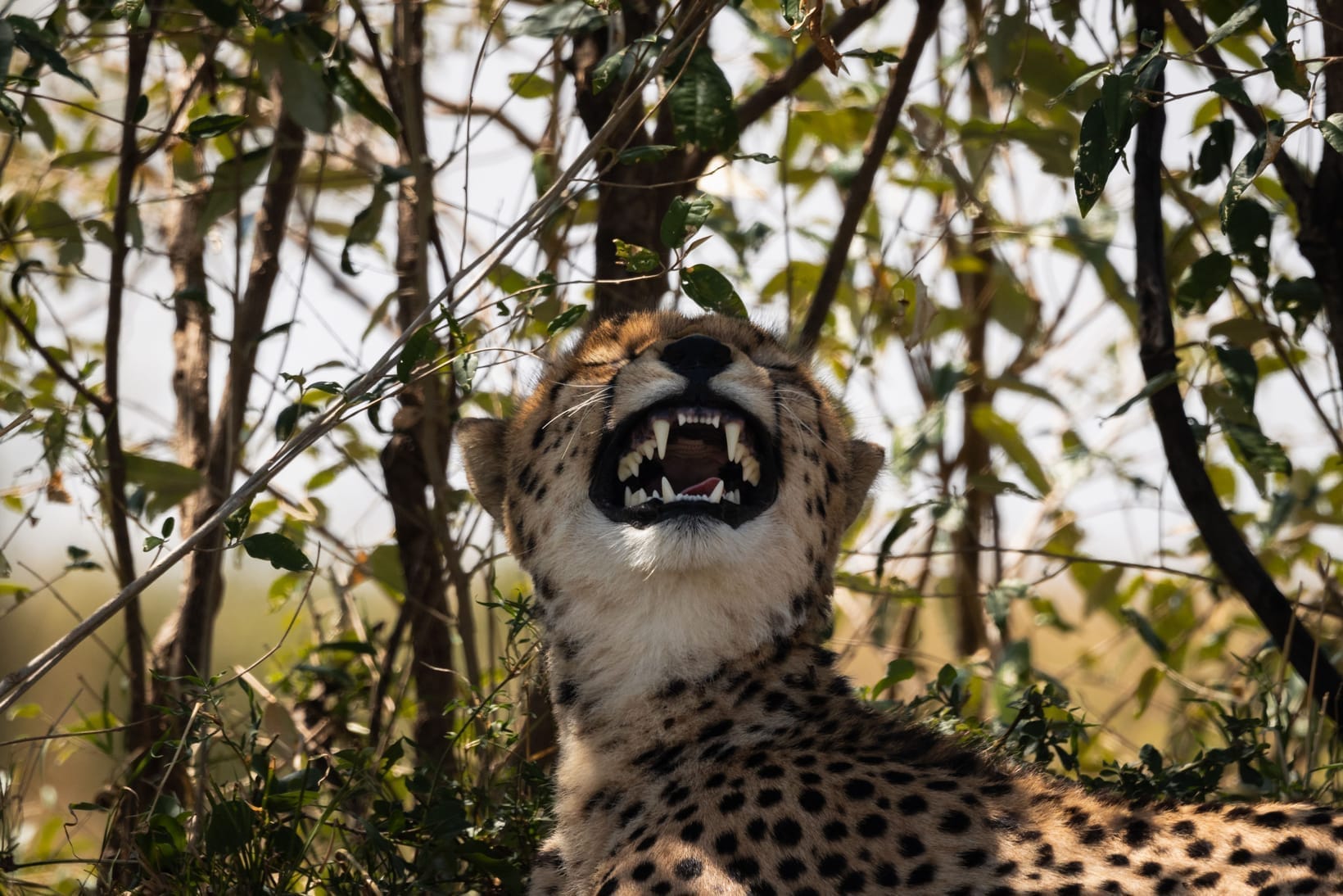
Short answerKenya is the most efficient big-game safari in East Africa: short transfers, a deep mid-market and the Maasai Mara. Budget from from ~$300 pp/day for a private safari including park fees and full board. Six to eight days covers a proper first trip. The decision that matters most is reserve versus conservancy.
Kenya is where safari as a concept largely originated, and it remains the easiest place to do one well. This is the practical guide to putting a trip together — what to include, when to go, what it costs, and the one decision that changes the experience more than any other.
What Kenya actually does best
| Reality | |
|---|---|
| Big cats | Outstanding — the Mara has one of the highest lion densities in Africa |
| The Great Migration | July to October, including the Mara River crossings |
| Elephants | Amboseli, with Kilimanjaro behind them |
| Rhino | Genuinely good — Kenya has invested heavily in rhino conservation |
| Distances | Short. Flying between parks is normal and reasonably priced |
| Infrastructure | The most developed safari industry in the region |
| Primates | Weak — no gorillas, and chimpanzees only at a sanctuary |
| Crowds | Real, in the Mara in high season |
If your priority is primates rather than plains game, see Uganda vs Kenya vs Tanzania before booking anything.
The parks worth your days
| Park | What it's for | Nights |
|---|---|---|
| Maasai Mara | ~1,510 km²; big cats and the migration | 3–4 |
| Amboseli | 392 km²; elephants beneath Kilimanjaro | 2 |
| Samburu | Northern species found nowhere else in Kenya | 2–3 |
| Lake Nakuru | Rhino and flamingo, easy from Nairobi | 1–2 |
| Ol Pejeta | Rhino conservancy, chimpanzee sanctuary | 1–2 |
| Tsavo East & West | Vast, red-dust elephants, fewer visitors | 2–3 |
| Lake Naivasha / Hell's Gate | Boat trips, walking and cycling among wildlife | 1–2 |
| Nairobi National Park | Wildlife against a city skyline; good for a spare day | Half day |
| Diani / the coast | Beach after safari | 3+ |
We have full guides to the Maasai Mara and Amboseli.
When to go
| Period | What to expect |
|---|---|
| Jul–Oct | Migration in the Mara, river crossings. Busiest and priciest. |
| Jan–Mar | Excellent resident game viewing, dry, far fewer vehicles. |
| Apr–May | Long rains. Cheapest and quietest; some camps close. |
| Jun | Herds arriving. Shoulder pricing. |
| Nov–Dec | Short rains, green, good value, herds moving south. |
How many days you need
- 3–4 days: Fly to the Mara, stay put. One ecosystem, done properly.
- 6–8 days: The Mara plus Amboseli or Samburu, with Nairobi either end. The standard first trip.
- 10 days: Add a third park, or the coast.
- 12–14 days: Kenya plus gorillas in Uganda or Rwanda.
Kenya rewards flying between parks far more than Uganda does — the distances are shorter and the airstrip network is denser, so a fly-in itinerary is normal rather than a luxury.
What it costs
| Guide | |
|---|---|
| Private safari, all in on the ground | from ~$300 pp/day |
| Compared with Uganda | $350–600 pp/day mid-range |
| Compared with Tanzania | $350–2,000 pp/day |
| Excluded | International flights, tips, drinks, conservancy fees |
Our East Africa cost comparison sets out how the four countries differ, and what's included in a safari package covers how to compare quotes properly.
Reserve or conservancy
The single most consequential decision in Kenya planning, and the one most itineraries never explain.
The Maasai Mara National Reserve is government-managed with no cap on vehicle numbers. The surrounding conservancies are private land leased from Maasai landowners, with limited vehicle density, and they permit off-road driving, night drives and walking — none of which the reserve allows.
Combining Kenya with gorillas
The classic East African pairing: big cats and herds in Kenya, mountain gorillas in Uganda or Rwanda. Nairobi connects readily to both Entebbe and Kigali.
Allow twelve to fourteen days. These are two separate countries and two separate flights, not a circuit — and the gorilla permit is the fixed point everything else has to work around. See how to book gorilla permits and how many days a Uganda safari needs.
The East Africa Tourist Visa covers Kenya, Uganda and Rwanda on a single multiple-entry visa, and is usually cheaper than buying separately.
Practical notes
- Book the Mara early for July to October — the good camps sell out a year ahead.
- Decide reserve or conservancy first. Everything else follows.
- Consider flying rather than the long road transfer from Nairobi.
- Three nights minimum in the Mara, four in crossing season.
- Pair the Mara with something different — Amboseli for elephants, Samburu for northern species.
- Budget conservancy fees separately. They sit on top.
| Tier | Properties we book |
|---|---|
| Luxury | Governors' Camp · Sand River Masai Mara · Naboisho Camp |
| Mid-range | Mara Intrepids Tented Camp · Mara Ngenche Safari Camp |
| Budget | Talek Bush Camp · Oseki Maasai Mara Camp |
For the migration timing that drives high season, see the Great Migration explained, and for where everything sits geographically, the map of Kenya's safari regions.
Tell us your dates and what you want to see and we will tell you honestly whether Kenya is the right country for it.
Safari in Kenya: common questions
How much does a safari in Kenya cost? From roughly $300 per person per day for a private safari including park fees, full board, vehicle and driver-guide, rising well above that for conservancy lodges and fly-in itineraries. International flights sit outside that figure. Kenya is competitive with Uganda and generally cheaper than Tanzania, whose park fees are the region's highest.
How many days do you need for a Kenya safari? Six to eight days for a proper first trip — typically the Maasai Mara plus one contrasting park such as Amboseli or Samburu, with a night in Nairobi at either end. Three or four days can work if you fly and stay in one place, but you are seeing one ecosystem rather than the country.
When is the best time for a safari in Kenya? July to October for the Great Migration and the Mara River crossings, which is also the busiest and most expensive window. January to March offers excellent general game viewing with far fewer vehicles. The long rains in April and May are cheapest and quietest, with some camps closed.
Is Kenya or Tanzania better for a safari? They share the same ecosystem across a border. Kenya is generally cheaper, more compact and has a deeper mid-market; Tanzania has the larger share of the Serengeti and the Ngorongoro Crater but the region's highest park fees. Your dates and budget should decide rather than a general ranking.
Can you combine a Kenya safari with gorilla trekking? Yes, and it is one of the classic East African trips — big cats and herds in Kenya, mountain gorillas in Uganda or Rwanda. Allow at least twelve days, ideally fourteen, because the two are separate flights and separate countries rather than a single circuit.
Do you need a 4x4 for a Kenya safari? Kenya's park roads are generally better graded than Uganda's and safari minivans are widely used, which is part of why Kenya is cheaper. A 4x4 Land Cruiser is better in the wet season, in the conservancies where off-road driving is permitted, and for photography because of the higher roof and fewer people per vehicle.
Sources
- Kenya Wildlife Service — Parks and reservesAccessed 29 Jul 2026
- UNESCO World Heritage Centre — Serengeti National Park — the wider Serengeti–Mara ecosystemAccessed 29 Jul 2026