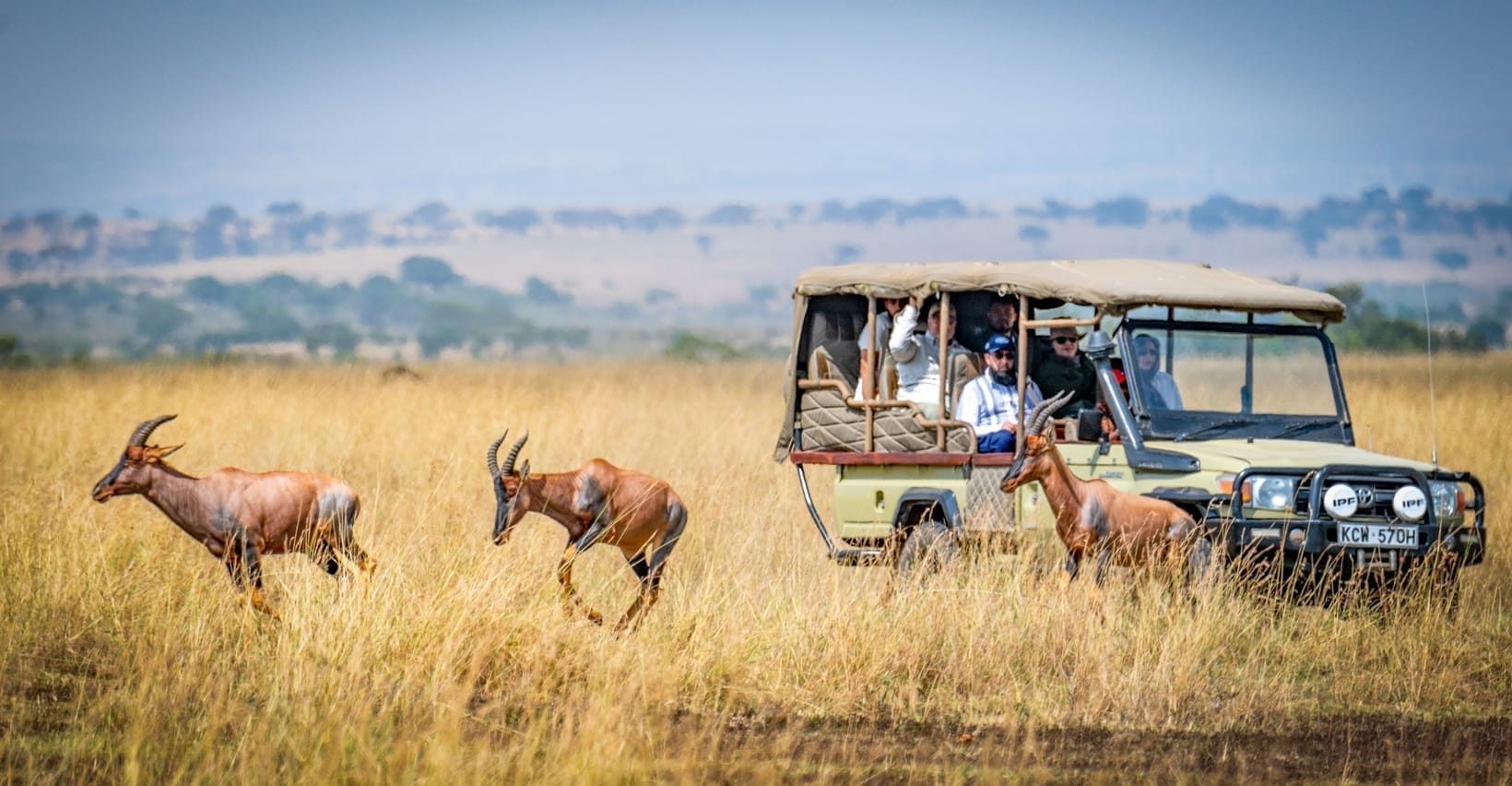
Short answerSelf-drive is genuinely possible in Uganda and easy in Rwanda. The saving is smaller than people expect once fuel and risk are counted, and what you give up is a guide who finds wildlife you would drive straight past. For most first-time visitors a driver-guide is the better trade; for repeat visitors and confident drivers, self-drive can be excellent.
This is one of the few genuinely open questions in African travel. Plenty of operators will tell you self-drive is reckless because they sell driver-guides. Plenty of car hire companies will tell you it is straightforward because they rent cars. Here is the balanced version.
Is self-drive actually possible?
Yes, and more easily than in much of Africa. Uganda permits self-drive in national parks, there is an established car hire industry renting equipped 4x4s, fuel is widely available, and the trunk road network is sealed and signposted.
Rwanda is easier still — the roads are the best in the region, distances are short, and a two-wheel-drive vehicle handles the main routes including the run up to Volcanoes National Park.
What is not straightforward is the last stretch into most parks, and the tracks inside them.
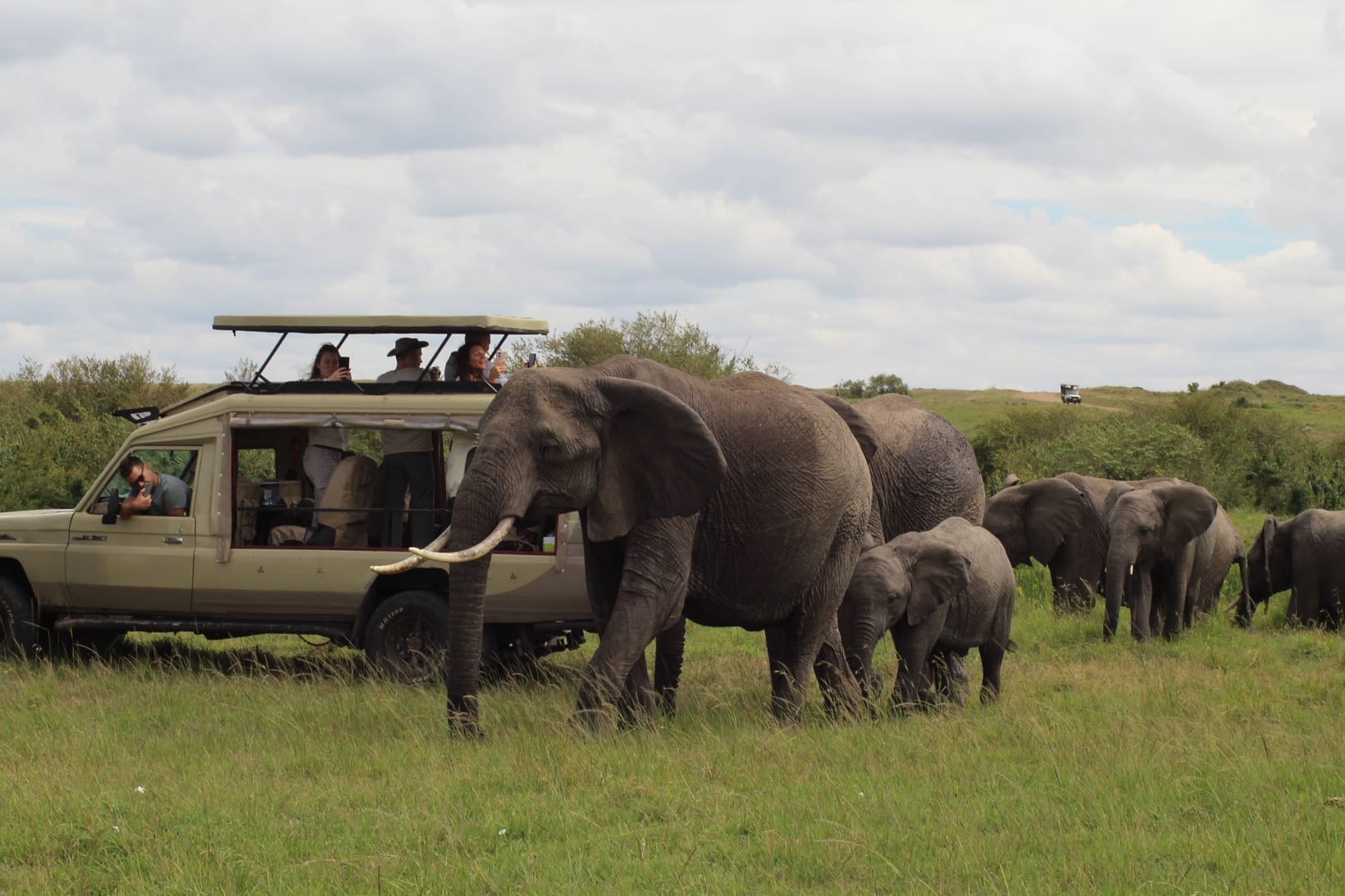 A guide's eyes are what turn a drive-past into a sighting
The real comparison
| Self-drive | Driver-guide | |
|---|---|---|
| Cost | Lower, but by less than expected | Higher — the guide's fee and keep |
| Wildlife found | What you spot yourself | Substantially more — this is the real difference |
| Navigation | Yours, and signage inside parks is thin | Handled |
| Breakdowns | Your problem, possibly far from help | Handled, usually with a network to call |
| Getting stuck in mud | Your problem | Routine for a guide; they know the tracks |
| Flexibility | Total | High — private trips flex to you |
| Local knowledge | None | Where the lions were this morning |
| Language | English is widely spoken | A non-issue |
| Stress | Real, particularly the first days | Close to zero |
| Best for | Confident drivers, repeat visitors, long trips | First visits, short trips, wildlife priority |
Where the cost argument breaks down
The saving is the guide's daily fee. What replaces it:
- Fuel is yours. Uganda's distances are long — see drive times between the parks — and Entebbe to Bwindi alone is 8–10 hrs of driving.
- You carry the risk. A recovery from mud, a damaged tyre on murram, or a breakdown in a park all become your cost and your lost day.
- Insurance excess. Read what is actually covered off sealed roads, which is where you will be.
- Time is money too. Navigating and driving eight hours yourself is not a rest day.
On a two-week trip with a couple, the saving becomes real. On a five-day trip it is often marginal once everything is counted.
Vehicle types explained
| Vehicle | Good for | Limits |
|---|---|---|
| Toyota Land Cruiser (extended, pop-up roof) | Everything. High clearance, genuine 4x4, the safari default. | Most expensive; firm ride on sealed roads |
| Safari minivan (pop-up roof) | Well-graded parks, sealed-road transfers, larger groups | Poor in mud; low clearance on rough tracks |
| Toyota RAV4 / small 4x4 | Self-drive couples on a budget, Rwanda, dry season | Limited clearance; not for heavy murram |
| Land Cruiser with rooftop tent | Self-drive camping trips | Setup and pack-down every day |
| 2WD saloon | Rwanda's sealed roads, Kampala–Jinja | Not for park interiors |
If you do self-drive
- Take the Land Cruiser, not the small 4x4. The clearance is the point.
- Download offline maps. Signal is patchy and park signage is thin.
- Never drive at night. Unlit vehicles, pedestrians, livestock and potholes. This is the single most important rule.
- Hire a park ranger guide at the gate. Cheap, and it recovers most of the sightings gap. Available at every major park.
- Check the spare, the jack and the tools before you leave the yard.
- Carry cash. Park fees, fuel in small towns, and recovery help are not card transactions — see money and tipping in Uganda.
- Add slack. Everything takes longer when you are navigating it yourself.
The third option: group-joining
Often overlooked, and frequently the right answer for solo travellers and couples watching the budget. A group-joining departure shares the vehicle, the guide and the fuel between several unrelated travellers on a fixed route and date.
You get a professional guide and a proper safari vehicle at a fraction of the private cost. You give up date flexibility, route control and the ability to linger. Our solo safari guide goes into how the cost actually breaks down.
Our honest verdict
| If you… | Choose |
|---|---|
| Are on a first African trip | Driver-guide |
| Have under a week | Driver-guide — the time saving alone justifies it |
| Are travelling mainly for wildlife | Driver-guide |
| Are travelling in the long rains | Driver-guide |
| Have driven in Africa before and want independence | Self-drive |
| Are on a long, slow trip with flexible dates | Self-drive |
| Are mostly in Rwanda | Self-drive is genuinely easy there |
| Are solo or a couple watching cost | Group-joining departure |
| Are going to Kidepo or remote parks | Driver-guide, or fly |
We are a driver-guide operator, so treat our view with appropriate scepticism — but the recommendation above is the one we actually give, including when it points away from what we sell.
Tell us how you want to travel and we will quote it honestly, including a group-joining option if that suits you better.
Self-drive and vehicles: common questions
Can you self-drive a safari in Uganda? Yes. Uganda permits self-drive in its national parks, car hire companies rent 4x4s with camping equipment, and a number of travellers do it every year. It is more feasible in Uganda than in many African countries, and considerably more feasible in Rwanda, where the roads are excellent.
Is self-drive cheaper than hiring a driver-guide in Uganda? Less than people expect. You save the guide's daily fee but you take on fuel, your own navigation, and the risk of a breakdown or a stuck vehicle. On a short trip the saving is modest; on a longer one it grows, but so does the chance of something going wrong far from help.
Do you need a 4x4 to drive in Uganda? For the trunk roads between towns, no. For the approach roads into most parks and the tracks inside them, yes — and particularly in the wet season, when murram roads deteriorate fast. Any guided safari will use a 4x4 as standard.
What's the difference between a safari van and a Land Cruiser? A minivan is cheaper, more comfortable on sealed roads and adequate for the well-graded parks. A Land Cruiser has genuine off-road capability, higher clearance, and copes with mud and rough tracks that will stop a van. In Uganda, where park roads are rougher than Kenya's, the Land Cruiser is the safer default.
Do you need a special licence to drive in Uganda? Visitors generally drive on their national licence alongside an International Driving Permit, and the hire company will advise on current requirements. Uganda drives on the left. Requirements change — confirm with your hire company and your own licensing authority before travelling.
What is a group-joining safari? A scheduled departure where several unrelated travellers share a vehicle, guide and fuel on a fixed route and date. It cuts the largest cost on a solo or couple's trip substantially, at the price of flexibility on dates, pace and route.
Sources
- Uganda Wildlife Authority — Park access and vehicle requirementsAccessed 29 Jul 2026