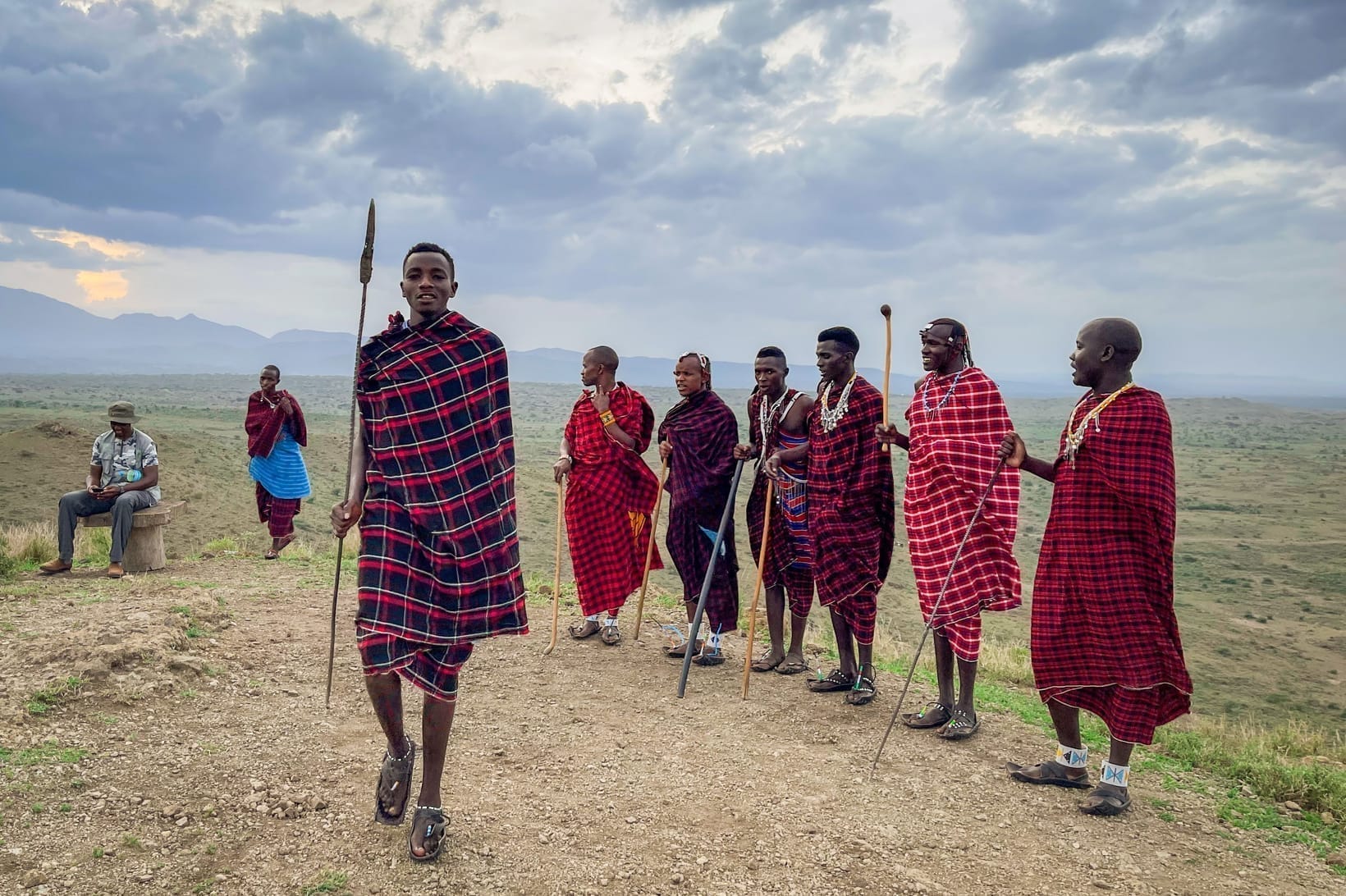
Short answerThe Maasai Mara is the Kenyan end of the Serengeti–Mara ecosystem, and the Great Migration reaches it roughly July to October. The decision that most affects your trip is not when you go but where you stay: the National Reserve has no vehicle cap, the surrounding private conservancies do — and permit off-road driving, night drives and walking.
The Mara is the most famous safari destination in Africa and, for once, the reputation is earned. It also gets written about almost entirely in terms of the migration, which is a small part of what it is and a misleading basis for planning a trip.
What the Mara actually is
Open rolling grassland cut by the Mara and Talek rivers, with acacia stands and low escarpments — the archetypal African savanna, and the landscape most people picture when they hear the word safari.
Critically, it is not a self-contained park. The Mara is the northern tip of the Serengeti–Mara ecosystem, which continues south across the border into Tanzania's Serengeti. The animals do not recognise the border, which is why the migration is a single year-round circuit rather than a Kenyan event.
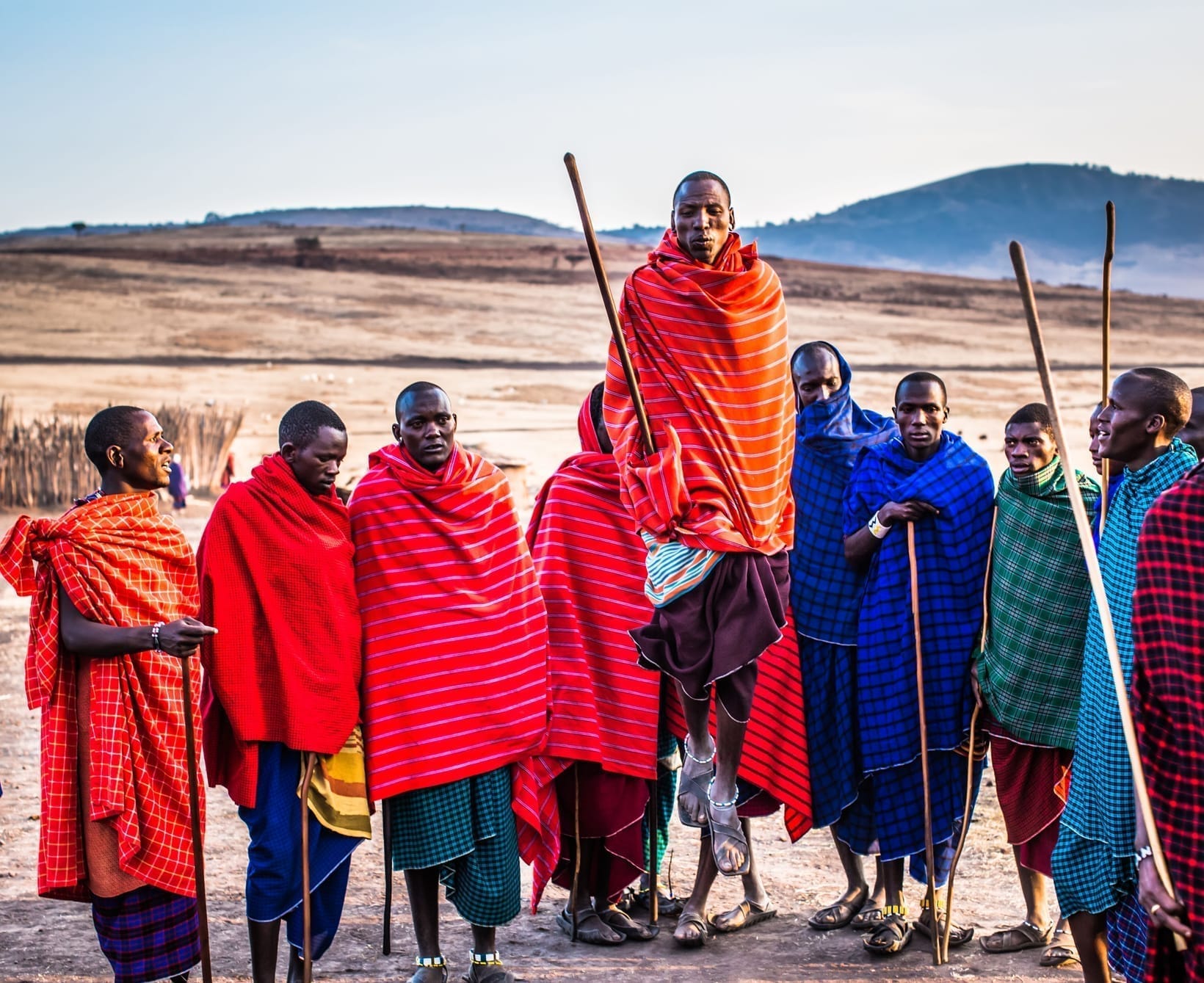 The Mara takes its name from the Maasai, who have grazed these plains for centuries
The Great Migration and the river crossings
Around two million wildebeest, zebra and gazelle move through the ecosystem on an annual circuit driven by rainfall and grazing. Roughly July to October the herds are in the northern Serengeti and the Mara, which is when the Mara River crossings happen.
The crossings are the famous part: herds massing on a bank, hesitating, then pouring into a river full of very large crocodiles. Our month-by-month guide to the Great Migration tracks where the herds are through the year.
Reserve or conservancy — the decision that matters
This is the single most consequential choice in Mara planning and the one most itineraries never explain.
| Maasai Mara National Reserve | Private conservancies | |
|---|---|---|
| Management | Government | Leased from Maasai landowners |
| Vehicle numbers | Uncapped — crossings can draw crowds | Capped per camp; far quieter |
| Off-road driving | Not permitted | Generally permitted |
| Night drives | No | Yes |
| Walking safaris | No | Yes |
| Cost | Lower | Higher — a conservancy fee on top |
| Migration crossings | The river crossings are in the Reserve | Access by driving in |
| Community benefit | Via park revenue | Direct lease payments to landowning families |
When to go
| Period | What to expect |
|---|---|
| Jul–Oct | Migration in the Mara; river crossings. Busiest and priciest. |
| Nov–Dec | Short rains. Herds moving south. Green, quiet, good value. |
| Jan–Mar | Excellent resident game viewing, few vehicles, dry. Calving season is in the southern Serengeti. |
| Apr–May | Long rains. Quietest and cheapest; some camps close. |
| Jun | Herds arriving. Shoulder pricing, building anticipation. |
Wildlife beyond the migration
The Mara's resident game is the reason it is worth visiting in February as much as August. It holds one of the highest lion densities in Africa, with well-studied prides, and cheetah on the open plains are more reliably seen here than almost anywhere.
- Lion — abundant, and habituated to vehicles. See lion facts.
- Cheetah — the open grassland suits them; see how fast is a cheetah.
- Leopard — present along the rivers, and more vehicle-habituated than in Uganda. See leopard facts.
- Spotted hyena — large clans; see spotted hyena facts.
- Elephant, buffalo, giraffe, topi, eland — all resident and easily seen.
- Black rhino — present in small numbers, rarely seen.
Where to stay
| Tier | Properties we book |
|---|---|
| Luxury | Governors' Camp · Sand River Masai Mara · Naboisho Camp |
| Mid-range | Mara Intrepids Tented Camp · Mara Ngenche Safari Camp |
| Budget | Talek Bush Camp · Oseki Maasai Mara Camp |
The Mara has the deepest accommodation market of any park in East Africa, from mobile tented camps that move with the migration to permanent lodges. Our guide to safari lodges versus tented camps is more relevant here than anywhere — this is classic tented camp country, and the small camps are the reason to come.
Planning notes
- Three nights minimum, four during crossing season.
- Decide reserve or conservancy first — it changes everything downstream.
- Book July–October a long way out. The good camps sell out a year ahead.
- Consider flying in from Nairobi rather than the long road transfer via the Rift Valley.
- Pair it with the Serengetifor the migration's other half, or with Amboseli for elephants and Kilimanjaro.
- Combine with gorillas. The Mara plus Bwindi is the classic East Africa pairing — see Uganda vs Kenya vs Tanzania.
- Consider a balloon safari for one morning — what it actually costs and who it's worth it for is in Hot Air Balloon Safari in the Maasai Mara.
See our Mara and Serengeti itineraries, or tell us your dates and we will tell you honestly where the herds are likely to be.
The Maasai Mara: common questions
When is the best time to visit the Maasai Mara? July to October for the Great Migration and the Mara River crossings, which is also the busiest and most expensive window. January to March is excellent for general game viewing with far fewer vehicles, and the calving season in the southern Serengeti falls in this period. The Mara holds resident wildlife year-round.
Are the Mara River crossings guaranteed in July to October? No. Crossings are unpredictable — herds gather at the bank and may cross within minutes or wait a day, and the timing shifts year to year with the rains. Being in the Mara during the crossing season gives you a good chance over several days; no operator can promise a crossing on a given date.
What is the difference between the Maasai Mara reserve and the conservancies? The National Reserve is government-managed with no cap on vehicle numbers, which is why crossing sightings there can draw crowds. The surrounding conservancies are private, leased from Maasai landowners, and limit vehicle density, permit off-road driving, night drives and walking. Conservancies cost more and deliver a quieter experience.
How big is the Maasai Mara? Around 1,510 km² for the National Reserve itself, and it is the Kenyan portion of the much larger Serengeti–Mara ecosystem which continues south across the Tanzanian border. The surrounding conservancies add substantially to the protected area.
Can you see the Big Five in the Maasai Mara? Yes, though rhino are the difficult one — black rhino are present in small numbers and sightings are uncommon. Lion, leopard, elephant and buffalo are all seen regularly, and the Mara has one of the highest lion densities anywhere in Africa.
How many days do you need in the Maasai Mara? Three nights minimum, and four is better during the crossing season — crossings are unpredictable and more days means more chances. A two-night stop gives you one full day, which is thin for somewhere this far to reach.
Sources
- Kenya Wildlife Service — Kenya's parks and reservesAccessed 29 Jul 2026
- UNESCO World Heritage Centre — Serengeti National Park — the wider Serengeti–Mara ecosystemAccessed 29 Jul 2026