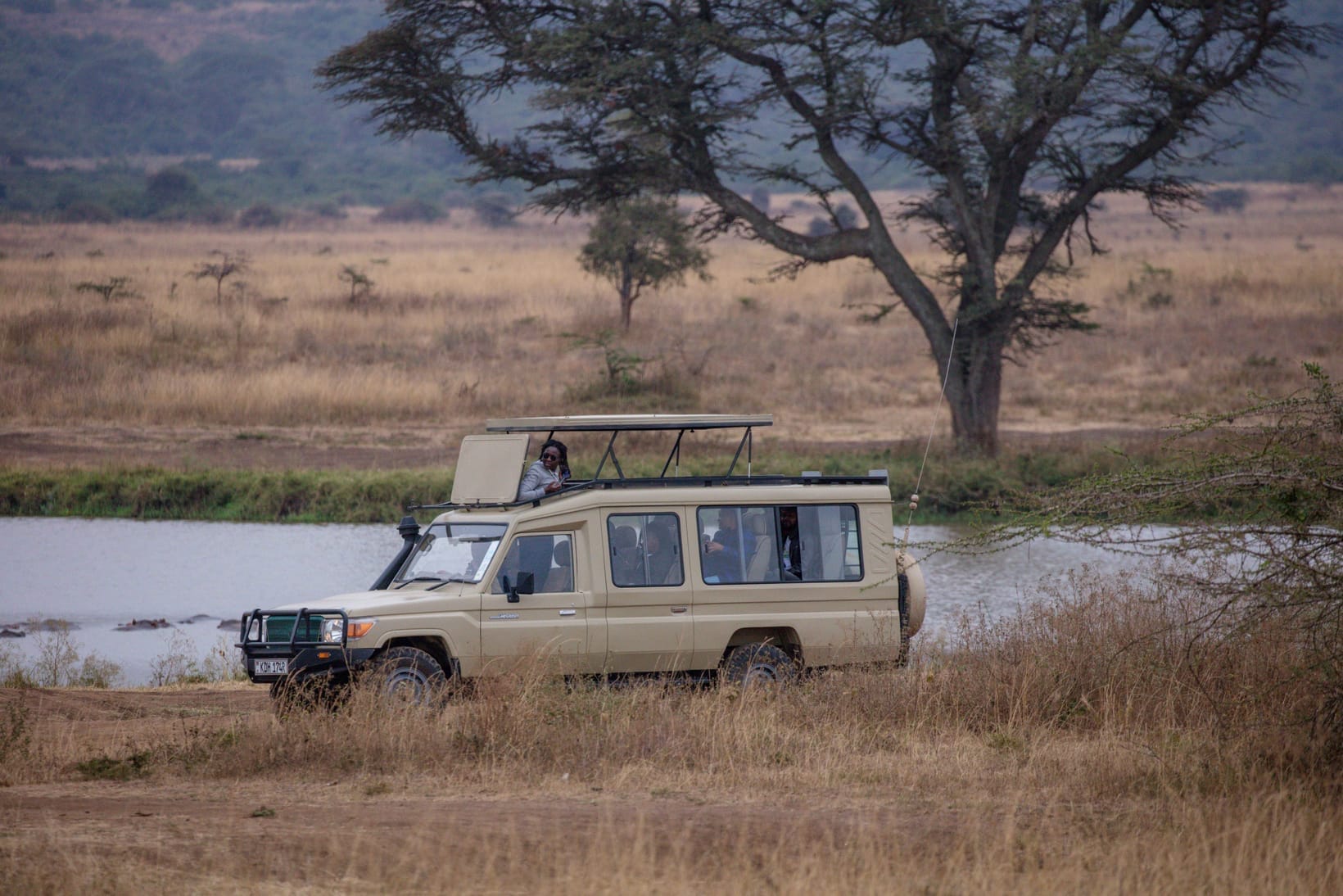
Short answerThere is no upper age limit on anything in Uganda, including gorilla trekking — people in their eighties do it every year. The thing that actually tires older travellers is the driving, not the walking. Shorten the road days, or fly one leg, and almost everything else opens up.
A great many of the people we send to Uganda are retired, and a good number of them do the gorilla trek. This guide is about designing a trip that works rather than one that has to be endured — and about which assumptions turn out to be wrong.
The roads matter more than the walking
This is the single most useful thing in this guide. People worry about the gorilla trek and then find that what actually exhausts them is six hours in a vehicle on a rough surface, three days running.
Uganda's parks are far apart and some approach roads are unsealed. A standard ten-day itinerary can contain four or five long transfer days. That is the part to design around.
Activities ranked by physical demand
| Activity | Demand | Notes |
|---|---|---|
| Game drive | None | Seated throughout. Rough tracks are the only issue. |
| Kazinga Channel boat cruise | None | Seated, shaded, around two hours. |
| Murchison boat trips | None | Seated. The falls launch has a short optional walk. |
| Mabamba shoebill trip | Minimal | Boat and canoe. Getting in and out needs a hand. |
| Rhino tracking at Ziwa | Low | 1–2 hours on flat grassland. |
| Bigodi wetland walk | Low | Boardwalk and level paths. |
| Golden monkey trekking | Moderate | Shorter and lower than a gorilla trek. |
| Chimpanzee trekking, Kibale | Moderate | Mostly flat forest, 1–4 hours. |
| Gorilla trekking | High | Steep, muddy, at altitude. See below. |
| Volcano hikes, Rwenzori trek | Very high | Multi-hour or multi-day. |
Can you still trek gorillas?
Very often, yes. The minimum age is 15 years and there is no maximum. What makes the difference is not age but four decisions:
- Hire a porter. Non-negotiable in our view. They carry your pack and physically help you on steep ground.
- Declare your fitness at the briefing, out loud. Rangers place people who do with the family currently ranging closest to the trailhead. Staying quiet out of pride is the commonest mistake at every trailhead in Bwindi.
- Choose a gentler sector. Buhoma over Nkuringo — see Bwindi's sectors compared.
- Use trekking poles. Descents cause more trouble than ascents, and poles take real load off knees.
Our full account of what the walking involves is in how fit you need to be for gorilla trekking.
The gentler alternative worth knowing about is rhino tracking at Ziwa: an on-foot encounter with a very large wild animal, on flat ground, in an hour or two.
What to look for in a lodge
Safari lodges are often built across slopes with rooms scattered up and down them, and brochure photographs never show the steps. Ask specifically:
- How many steps from reception to the room?
- How far is the room from the dining area? Some lodges are a 300-metre walk in the dark.
- Are paths lit at night?
- Is there a ground-floor or close-in room that can be reserved?
- Is hot water on demand or scheduled?
- How far to the park gate or briefing point? This sets your wake-up time.
- Is there a lift or ramp anywhere? Usually no — worth knowing.
Our lodge guides — for Bwindi and Queen Elizabeth — go into the specifics, and the tented-camp question is covered in safari lodge vs tented camp. For mobility, a lodge generally beats a camp: camps involve decking, steps and uneven paths.
Pacing a slower itinerary
- Three or four bases, not six.Every move costs a day and a night's sleep quality.
- Minimum two nights everywhere. One-night stops are the most tiring thing in safari travel.
- Fly the longest leg. Usually Entebbe to Bwindi.
- One activity a day, not two. Morning drive or afternoon cruise — not both, every day.
- Build in a genuine rest day. A crater lake or Lake Bunyonyi.
- Arrive a day early. A night in Entebbe before the trip starts absorbs flight delays and jet lag — see where to stay in Entebbe.
Health and practical preparation
General guidance, not medical advice — speak to your own doctor, ideally a travel clinic, well before departure.
- Altitude. Bwindi and Volcanoes sit high. Anyone with a heart or respiratory condition should discuss this specifically.
- Medication. Bring more than you need, in hand luggage, in original packaging, with a copy of the prescription.
- Malaria prophylaxis and vaccinations. Standard requirements apply; a yellow fever certificate is generally required.
- Travel insurance with medical evacuation cover. This matters more in remote parks than anywhere else on the trip.
- Tell us anything relevant in writing. Mobility, dietary needs, medication that needs refrigeration. It changes which lodges we book.
See also planning a trip to Uganda, and road safari vs fly-in safari for the flying decision.
Tell us honestly what you can and can't do — we would far rather design around it than have you discover the problem at a trailhead.
Safaris for older travellers: common questions
Is there an upper age limit for gorilla trekking? No. The minimum age is 15 in both Uganda and Rwanda, and there is no maximum. People in their seventies and eighties trek successfully every year. What matters is honest self-assessment, hiring a porter, and declaring your fitness at the briefing so rangers assign you a closer family.
What is the hardest part of a Uganda safari for older travellers? The roads, not the walking. Uganda's distances are long and some surfaces are rough, so several hours of jolting in a vehicle is the thing most likely to wear people out. Shortening the driving days, or flying one leg, improves a trip for older travellers far more than any change to the activities.
Are there safaris in Uganda without much walking? Yes. Game drives, boat cruises on the Kazinga Channel and at Murchison, and the Mabamba shoebill trip are all essentially seated. Rhino tracking at Ziwa involves an hour or two on flat ground. A full and excellent itinerary is possible with no demanding walking at all.
Can you use a sedan chair for gorilla trekking? At some sectors, yes — a team of porters carries you in a chair sometimes called a stretcher or 'African helicopter'. It must be arranged well in advance rather than requested on the day, and it is expensive. It genuinely makes the trek possible for people who could not otherwise walk it.
Is a fly-in safari worth it for older travellers? Often, yes. Domestic flights convert long, rough driving days into short hops, which is the single biggest improvement available. The trade-offs are cost, strict baggage limits, and missing the country between the parks.
What should older travellers look for in a safari lodge? Ground-floor or few-steps rooms, short distances from room to dining area, reliable hot water, good lighting on paths, and a lodge close to the park gate so morning starts are short. Ask specifically — brochure photographs rarely show the sixty steps up to the viewpoint suite.
Sources
- Uganda Wildlife Authority — Gorilla tracking rules and visitor guidelinesAccessed 28 Jul 2026